
Last updated November 2, 2026
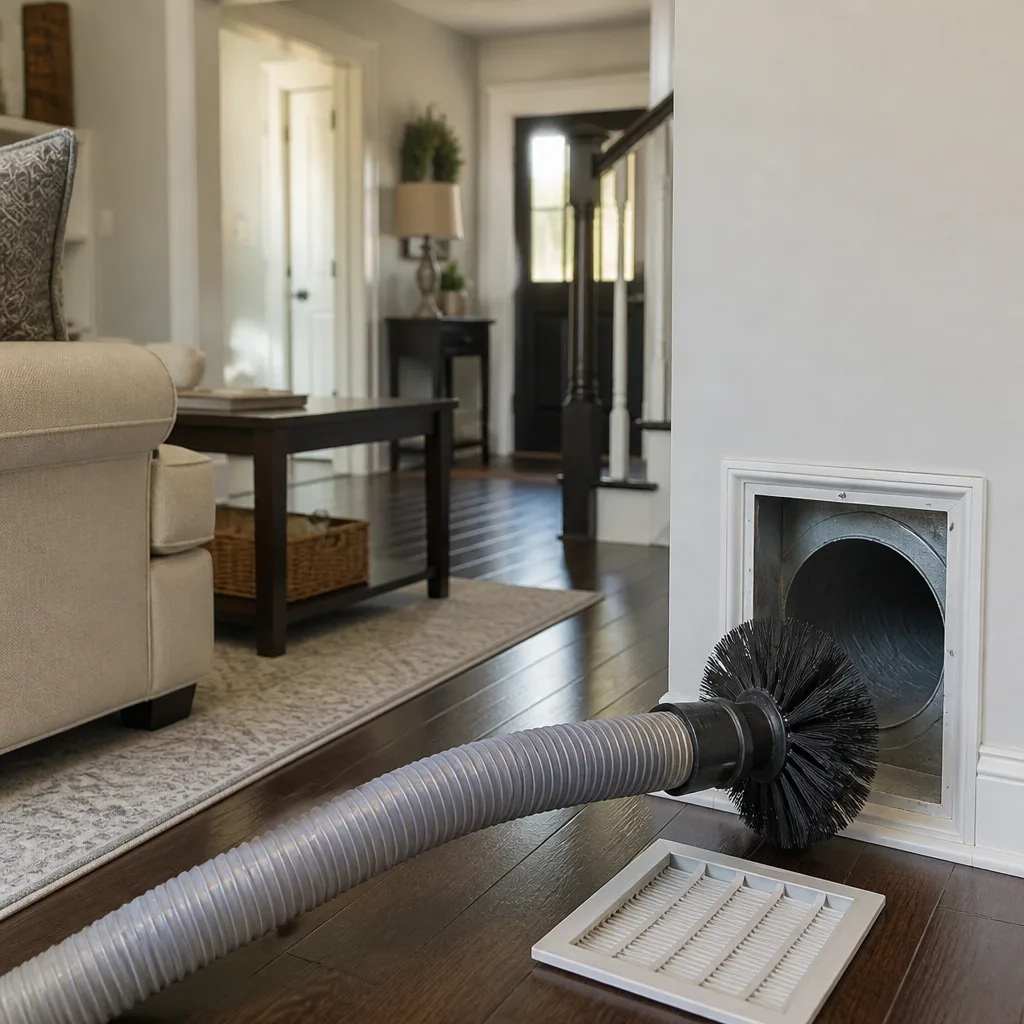 Whole-home duct cleaning
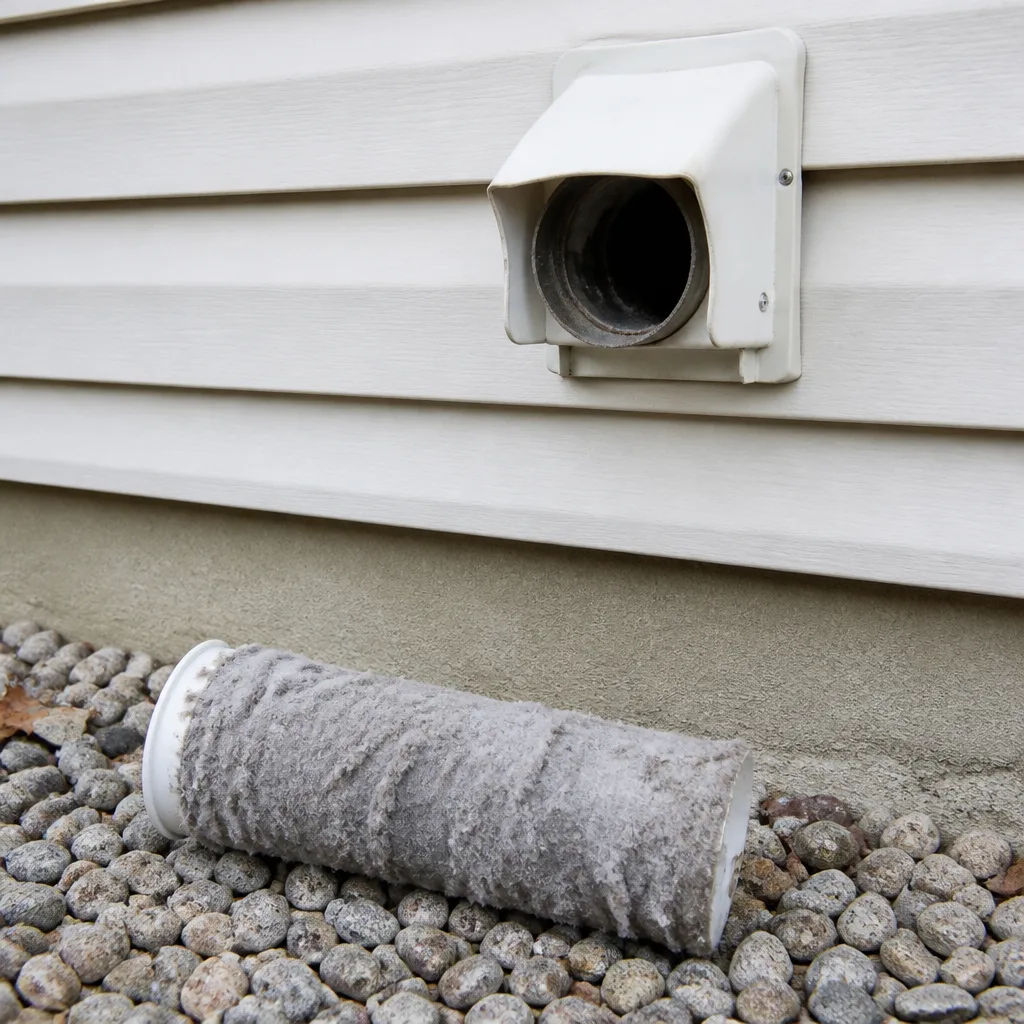 Dryer vent cleaning
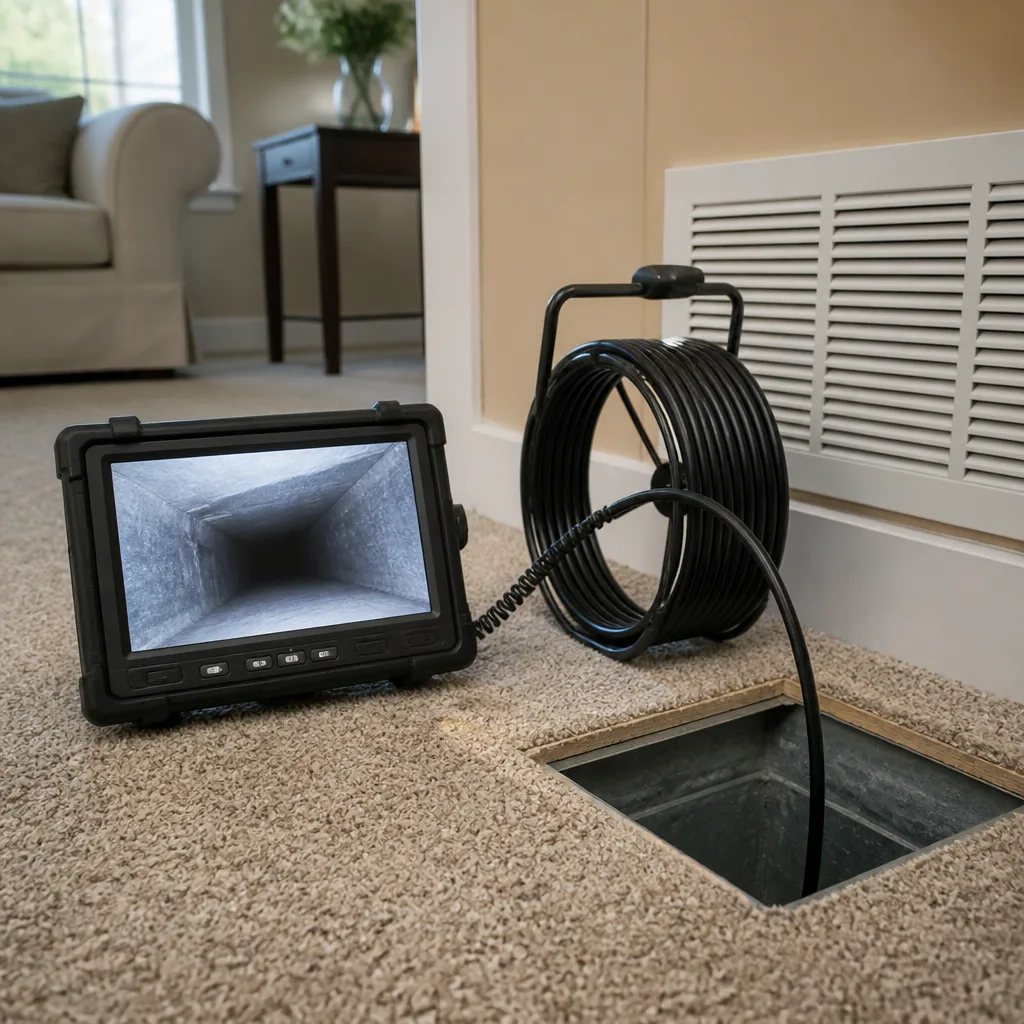 Camera inspection
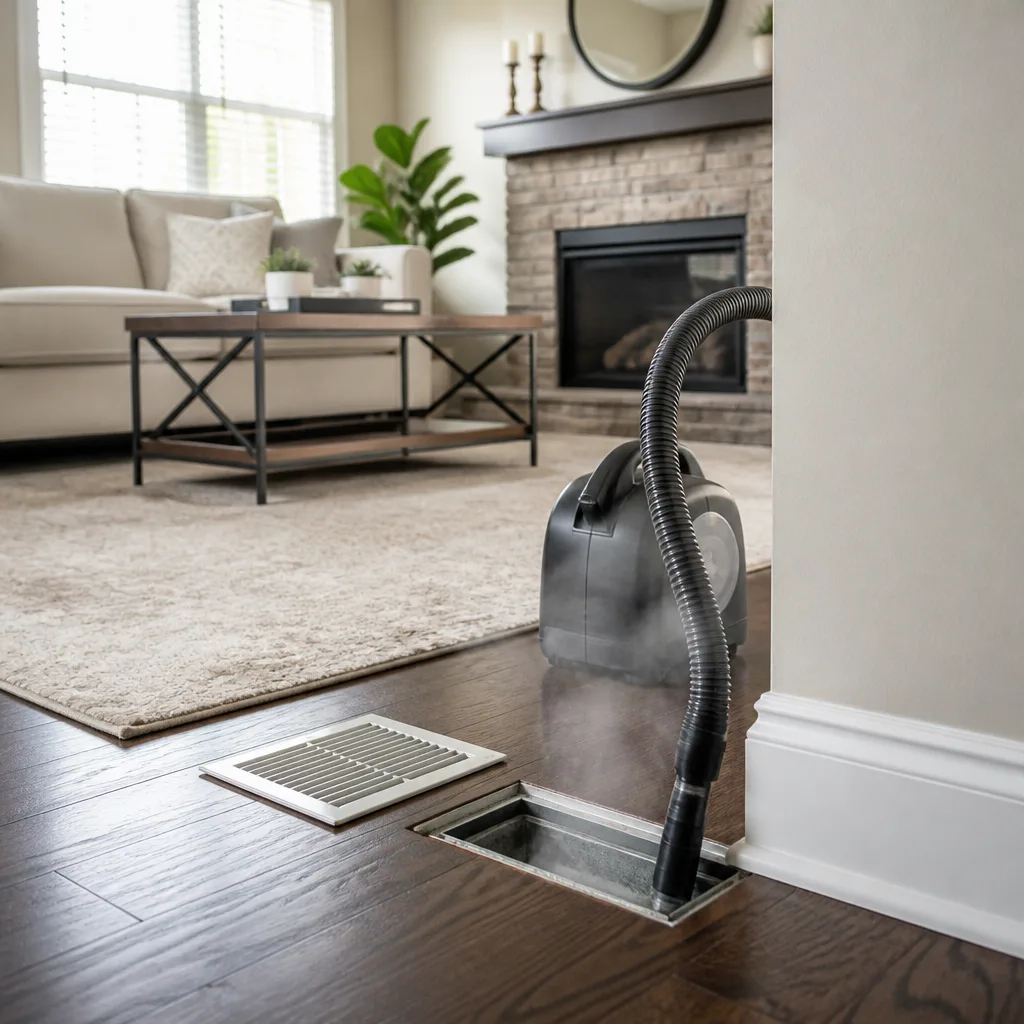 Sanitizing & deodorizing
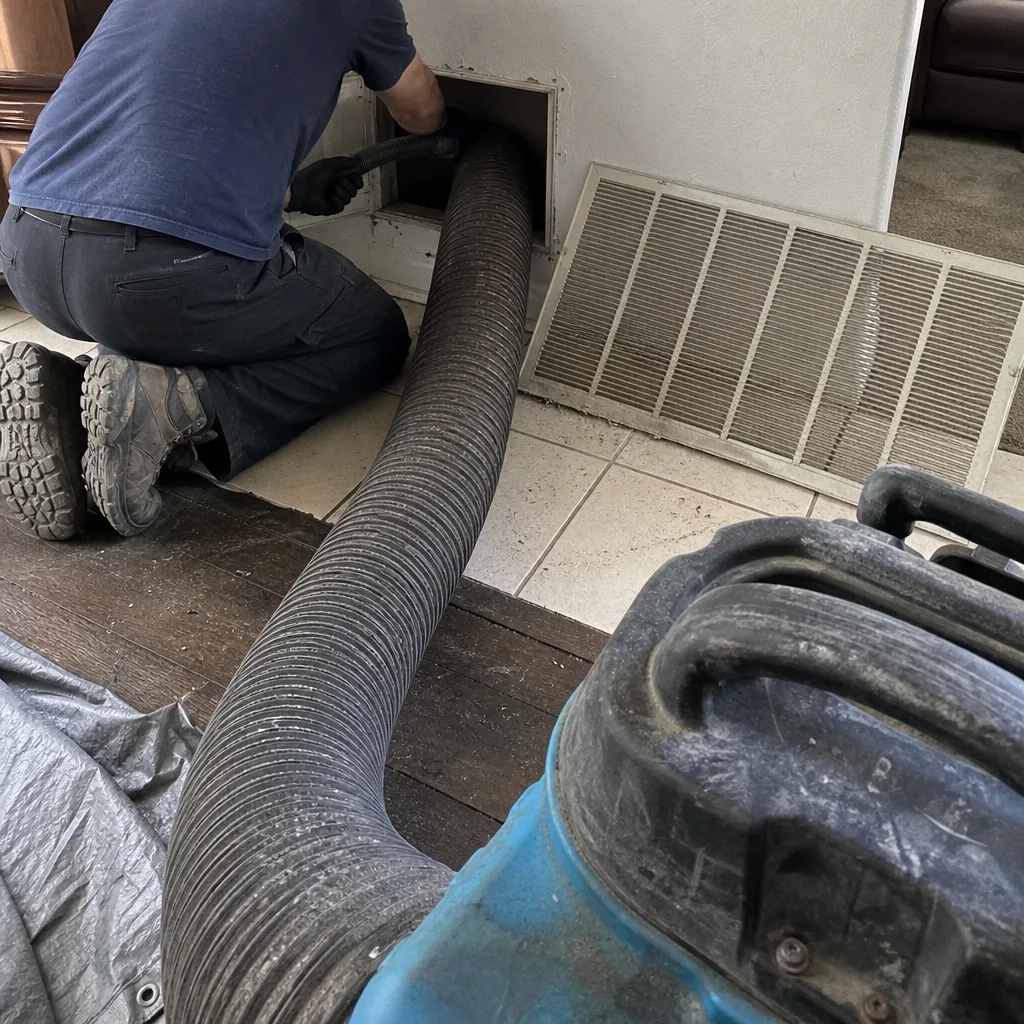
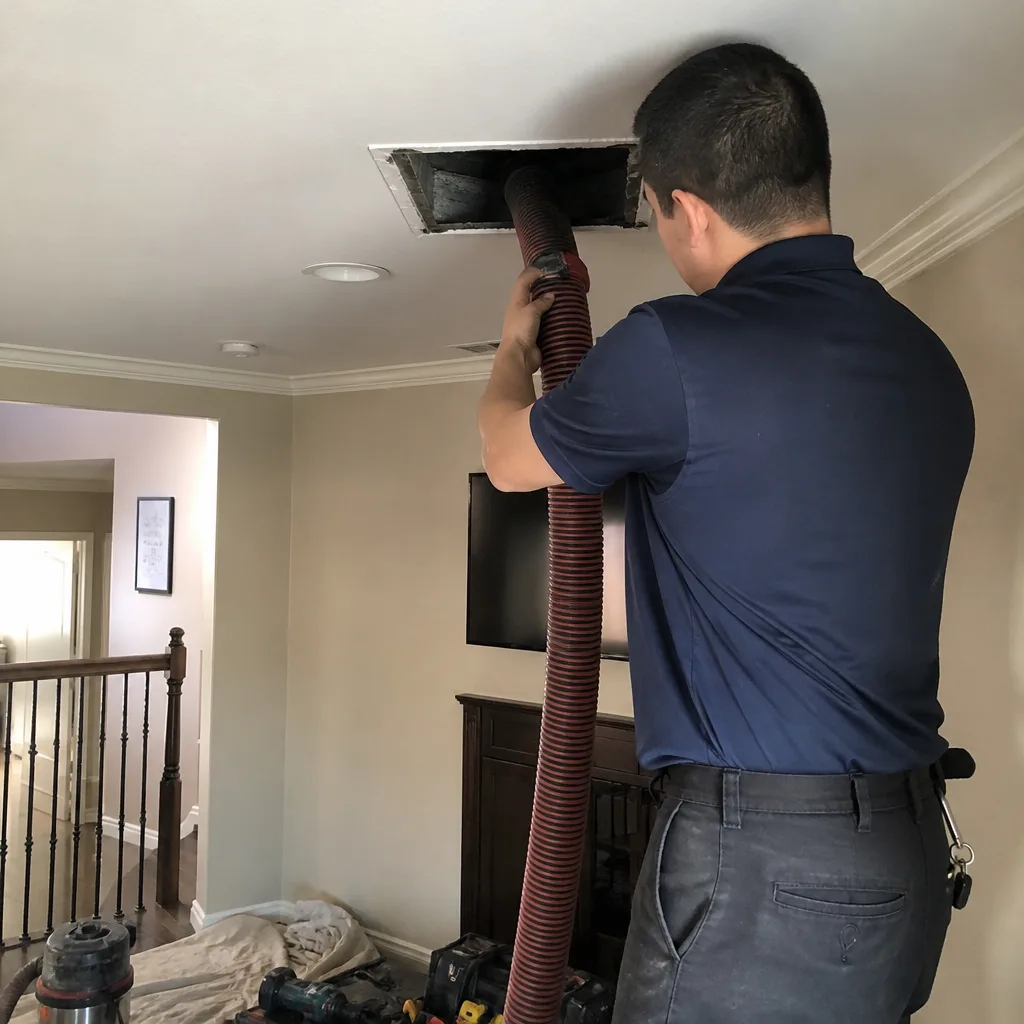
Whole-system duct and dryer vent check with before-and-after photos - you see exactly what came out of your vents
That "$99 whole-house special" is a bait ad - the real number appears once they are in your hallway, or the "clean" is a shop-vac at the register. We photograph the inside of your ducts before and after instead.
Air Duct Cleaning Permits, Codes & Inspections in CA: What You Need to Know
Most homeowners in Westminster assume a permit question starts and ends with room additions or electrical panels. Ductwork rarely enters the conversation, and that’s exactly how people end up with unpermitted HVAC modifications that surface years later during a home sale inspection. Here’s the counterintuitive truth: the cleaning part of air duct cleaning almost never triggers a permit. It’s the repair work that so often rides along with it, like duct sealing, flex duct replacement, or plenum modifications, that crosses the line into regulated territory. This guide maps that line precisely, so you’ll know when a job is simple maintenance and when California’s building code actually cares. We’ll cover Title 24 requirements, what a HERS verification test actually measures, how Westminster and surrounding Orange County jurisdictions flag unpermitted HVAC work at point of sale, and how to request documentation proving work was done to code even when no permit was required.
Styles & brands we work with
- Whole-home duct cleaning
- Dryer vent cleaning
- Camera inspection
- Sanitizing & deodorizing
Quick Answer
Professional Air Duct Cleaning services do not require a permit in California or Westminster because the work is classified as routine maintenance, not construction. However, any duct sealing, flex duct replacement, plenum modification, or sheet metal alteration performed alongside cleaning requires a mechanical permit in most California jurisdictions, including Westminster. The trigger point is whether the work changes the physical structure or configuration of the duct system rather than simply removing accumulated debris from it.
Table of Contents
- The Legal Line: Cleaning vs. Alteration in California
- Title 24 and Duct Sealing: What the Energy Code Actually Requires
- When Westminster and Orange County Require a Mechanical Permit
- The C-20 License Question: Who’s Legally Allowed to Do What
- HERS Verification: What Happens When Ductwork Gets Tested
- How Unpermitted HVAC Work Gets Flagged at Point of Sale
- Documentation That Proves Work Was Done to Code
- Common Mistakes to Avoid
- When to Call a Professional
- Frequently Asked Questions
- The Bottom Line
The Legal Line: Cleaning vs. Alteration in California
California building code draws a bright line between maintenance and modification, and that line is where most confusion lives. Air duct cleaning, defined as removing dust, debris, and microbial growth from the interior surfaces of ductwork using brushes, vacuums, or air pressure, is classified as maintenance. It does not change the structure of the duct system, does not alter airflow design, and does not touch the building envelope. No permit. No license beyond a basic business registration. This is true in Westminster, throughout Orange County, and across the state.
Alteration starts the moment physical changes occur. Here’s what crosses the line:
- Duct sealing using mastic or foil tape to close leaks in existing ductwork. This is a repair that changes system performance, and most California jurisdictions treat it as regulated work.
- Flex duct replacement, where sections of flexible duct are removed and new sections installed. Even if the replacement is identical in size and routing, it’s still new material in the system.
- Plenum modifications, including resizing, relocating, or replacing the supply or return plenum box attached to the furnace or air handler.
- Sheet metal work, such as fabricating new branch lines, adding or removing register openings, or reconfiguring trunk line routing.
- Duct insulation replacement, when old insulation is stripped and new material applied, which falls under energy code requirements.
The practical consequence is straightforward: a company that offers Air Duct Repair in Westminster is doing fundamentally different work than one that only cleans. The repair work may require permits depending on scope. The cleaning work never does. Understanding this distinction protects you from two failure modes: paying for repair work that was done without legally required permits, or paying for a “cleaning package” that quietly includes unpermitted sealing work you didn’t know you were buying either way.
Title 24 and Duct Sealing: What the Energy Code Actually Requires
California’s Title 24 energy code governs how duct systems must perform when they’re built, replaced, or significantly repaired. The relevant standard for ductwork is a maximum leakage rate, measured in cubic feet per minute (CFM) of air loss under specific pressure testing. The exact number varies by climate zone and project type, but the principle is uniform: ducts in California homes are supposed to leak very little, and when work is done that affects sealing, the result must be verified.
Three things matter for homeowners considering any duct work in Westminster:
- Prescriptive leakage limits. For most residential retrofit work in Southern California, the prescriptive duct leakage limit is 12% of total system airflow when measured at 25 pascals of pressure. New construction and major renovations face tighter limits, sometimes requiring leakage as low as 6%.
- Verification requirements. When a permit is pulled for duct sealing or replacement, the jurisdiction usually requires third-party verification in the form of a HERS (Home Energy Rating System) field test. A certified HERS rater measures actual leakage using a duct blower test and submits results to the building department. No test, no signed-off permit.
- Material standards. Title 24 also specifies that duct sealing materials must meet UL 181 standards. Mastic and foil tape used on ducts must be labeled for that purpose. The classic gray “duct tape” (the fabric-backed stuff from the hardware store aisle) does not comply and will fail inspection if discovered.
We’ve seen the practical reality of this in Westminster homes repeatedly. A homeowner hires a company to clean the ducts. The technician notices a disconnected return duct in the attic, reattaches it, slaps on some foil tape, and calls it a day. That’s a duct sealing repair that’s now part of the system, and it was done without permit, without HERS verification, and possibly with non-compliant tape. The homeowner never knows until a home inspector or a sharp real estate agent at resale starts asking questions about HVAC work history. The energy code doesn’t disappear just because the work was framed as cleaning.
When Westminster and Orange County Require a Mechanical Permit
Westminster’s building division follows the California Mechanical Code, as adopted with local amendments by the city. The trigger for a mechanical permit in Westminster is any installation, alteration, repair, or replacement of a mechanical system component that is not explicitly exempted. Exemptions in the mechanical code generally cover things like changing filters, replacing belts, and cleaning components. They do not cover structural changes to ductwork.
Specific scenarios where a Westminster homeowner should expect a mechanical permit to be required:
- Whole-system duct replacement. If all or a substantial portion of the duct runs through the attic or crawlspace are being removed and replaced, a permit is required in Westminster, and the work must meet current Title 24 leakage standards. This typically means a HERS duct leakage test is part of the permit closeout process.
- Sectional flex duct replacement. Replacing even a single failed flex duct run in a Westminster attic crosses the alteration threshold. Some contractors will argue that “like-for-like replacement” doesn’t need a permit. That argument works for a faucet cartridge. It does not reliably work for flex duct, because the energy code treats duct system modifications as opportunities to enforce current leakage standards.
- Plenum replacement or modification. The supply and return plenums are sheet metal boxes directly attached to the air handler. Any cutting, resizing, or replacement of these boxes is structural work and requires a permit. This includes adding a new return air opening or enlarging an existing one.
- Duct sealing as a standalone scope. This is the grayest area. Aeroseal-type sealing processes, which inject aerosolized sealant into the duct system, generally trigger permit requirements because they change the system’s leakage characteristics and are often followed by verification testing. Manual sealing with mastic during a repair job typically rides along with whatever repair triggered the permit in the first place.
The practical takeaway: if the work changes where air goes, how much air moves, or what the ducts are made of, assume it needs a permit in Westminster. If the work only removes what’s accumulated inside the ducts, it doesn’t. A good contractor will tell you which category your job falls into before work starts, not after.
The C-20 License Question: Who’s Legally Allowed to Do What
California requires a C-20 Warm-Air Heating, Ventilating and Air-Conditioning contractor’s license for any work involving the installation, modification, or repair of HVAC systems, including ductwork alterations. A company holding only a general business license or a D-40 (service station) license cannot legally seal ducts, replace flex runs, or modify plenums. This is a licensing requirement enforced by the California Contractors State License Board (CSLB), and it exists independently of the permit requirement.
Here’s the framework for checking any company that proposes duct work in Westminster:
- Verify the C-20 license at the CSLB website. The license number should appear on all business documents, including the estimate. A legitimate contractor will provide it without hesitation. If the number doesn’t resolve to an active C-20 license, the company is not legally qualified to perform HVAC alteration work.
- Check for workers’ compensation coverage. The CSLB shows whether a contractor carries workers’ comp. If a company sends technicians into your attic without workers’ comp and someone gets hurt, you may be liable. This detail often gets overlooked by homeowners focused only on price.
- Ask who pulls the permit. The contractor should be the permit applicant on mechanical work, not you. If a company suggests you pull the permit yourself as a homeowner, that’s a red flag. It often means they aren’t licensed or they’re trying to avoid a paper trail. Either way, you’re assuming legal responsibility for the quality of their work.
- Understand the cleaning exemption. A company that only performs cleaning does not need a C-20 license. The work is maintenance, not regulated HVAC contracting. So a duct cleaning-only company is not being evasive if they don’t hold a C-20. The problem arises only when they cross into repair or sealing work.
In our experience serving Westminster homeowners with Air Duct Cleaning in Westminster, the license question usually surfaces when cleaning reveals damaged ductwork. The homeowner asks if we can fix it. A responsible cleaning-specific company either refers the repair to a C-20 contractor or, if they carry the license themselves, clearly separates the cleaning scope from the repair scope with separate documentation. Anything less should give you pause.
HERS Verification: What Happens When Ductwork Gets Tested
HERS stands for Home Energy Rating System, and it’s the verification mechanism that California uses to confirm that energy code requirements were actually met, not just specified. When duct work is done under a permit in Westminster, the closeout process usually includes a HERS rater performing a duct leakage test. Understanding what that test involves helps you understand why the documentation matters.
The test itself is straightforward in concept. A HERS rater temporarily seals all supply and return registers, connects a calibrated fan to the duct system, and pressurizes it to a standard measurement point (most commonly 25 pascals). The fan measures how much airflow is required to maintain that pressure. That airflow number is the leakage rate. It’s compared against the leakage limit that applies to your specific project, and the result is recorded on a CF-6R form that’s filed with the building department and with a HERS provider registry.
Three things to understand about HERS testing from a homeowner perspective:
- It’s required, not optional. If a permit was pulled for duct sealing or replacement, the building department will not sign off on the project without HERS verification. Anyone who tells you the test “isn’t necessary” is describing how the work can avoid the permit process entirely, not how it can comply with code.
- Failures are common. Older duct systems can leak at double or triple the allowable limit. That’s why proper sealing work matters and why the test exists. A fail result means more sealing is required before the permit can close.
- Documentation follows the home. The CF-6R form and related compliance documents become part of the home’s construction record. When you sell the house, a diligent buyer or title company may request these records. If they don’t exist, the unpermitted work surfaces in a different way, which we’ll cover next.
The connection to cleaning is indirect but real. Cleaning work itself is never HERS-tested. But if cleaning reveals leakage, and leakage repair is performed as a follow-up, the repair should carry its own permit and HERS verification. That’s the chain that keeps the work legally clean.
How Unpermitted HVAC Work Gets Flagged at Point of Sale
Westminster sits in a real estate market where homes frequently sell within weeks of listing. Buyers compete aggressively, but that doesn’t mean due diligence disappears. Home inspections in Westminster routinely include an HVAC evaluation, and many buyers also commission a separate HVAC-specific inspection as part of an older-home contingency. It’s in these inspections that unpermitted duct work gets flagged.
Here’s what the discovery chain looks like in practice:
- Visual inspection. A home inspector examines the visible ductwork in the attic and crawlspace. Unpermitted work often announces itself through inconsistent materials, fresh mastic next to old mastic, mismatched flex duct sections, or sealing tape that’s already peeling. The inspector photographs it and notes it as “visible duct modifications, permit history unverified.”
- Permit history pull. Many Westminster buyers now request a permit history search from the city’s building division as part of due diligence. This search shows all permits ever issued for the property address. If the home’s HVAC system was replaced at some point but no mechanical permit appears in the record, the discrepancy itself becomes a disclosure issue, even if the current owner never touched the ducts.
- Escrow requirements. Once a discrepancy is flagged, it’s common for the seller’s disclosures to require either a retroactive permit (which involves inspection and possible repair) or a negotiated credit at close. This is not theoretical. It happens regularly in Orange County transactions involving homes built before 1980, where HVAC systems have been modified multiple times over decades.
- Insurance complications. Some homeowners insurance carriers in California now ask about HVAC system age and modification history on renewal applications. Unpermitted modifications can complicate coverage, particularly if a fire or water damage claim involves the HVAC system in any way.
The relevant lesson for a homeowner considering duct work isn’t “never modify your ducts.” It’s “modify them with a paper trail.” A permit and a HERS certificate cost a few hundred dollars at most on a typical residential job. The cost of discovering unpermitted work at resale can be thousands, plus the timeline impact on the sale itself.
Documentation That Proves Work Was Done to Code
Not every repair requires a permit, and not every permit requires HERS testing. But every professional job should generate documentation that survives the sale of the home. Knowing what to ask for separates homeowners who can prove their duct history from those who can only claim it. Here’s what to request from any contractor doing duct work in Westminster, whether cleaning, repair, or both:
- Scope-of-work description on the invoice. The invoice should state exactly what was done: “cleaned supply and return ducts,” “sealed 4 ft of disconnected flex duct at return plenum,” “replaced 12 ft of 8-inch flex duct.” Vague invoices (“duct service”) are worse than useless and often indicate slapdash work.
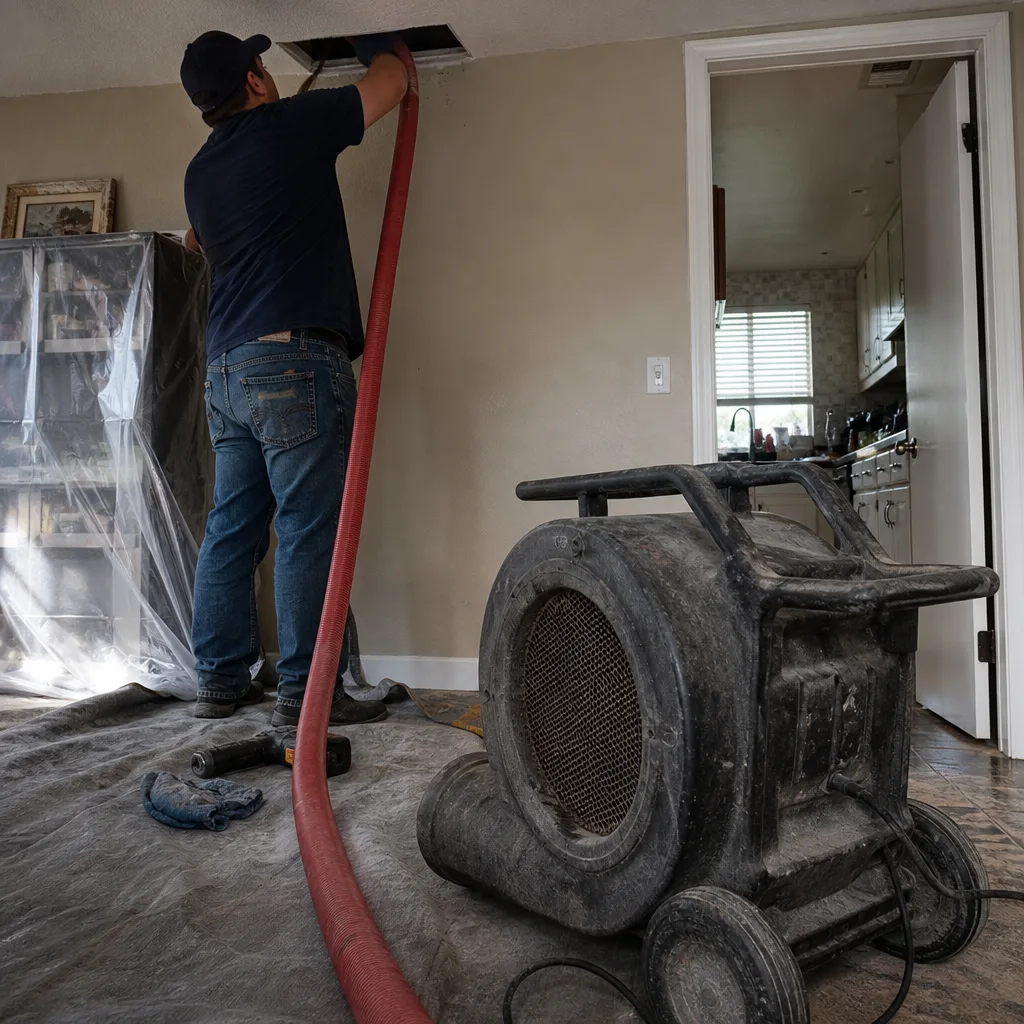
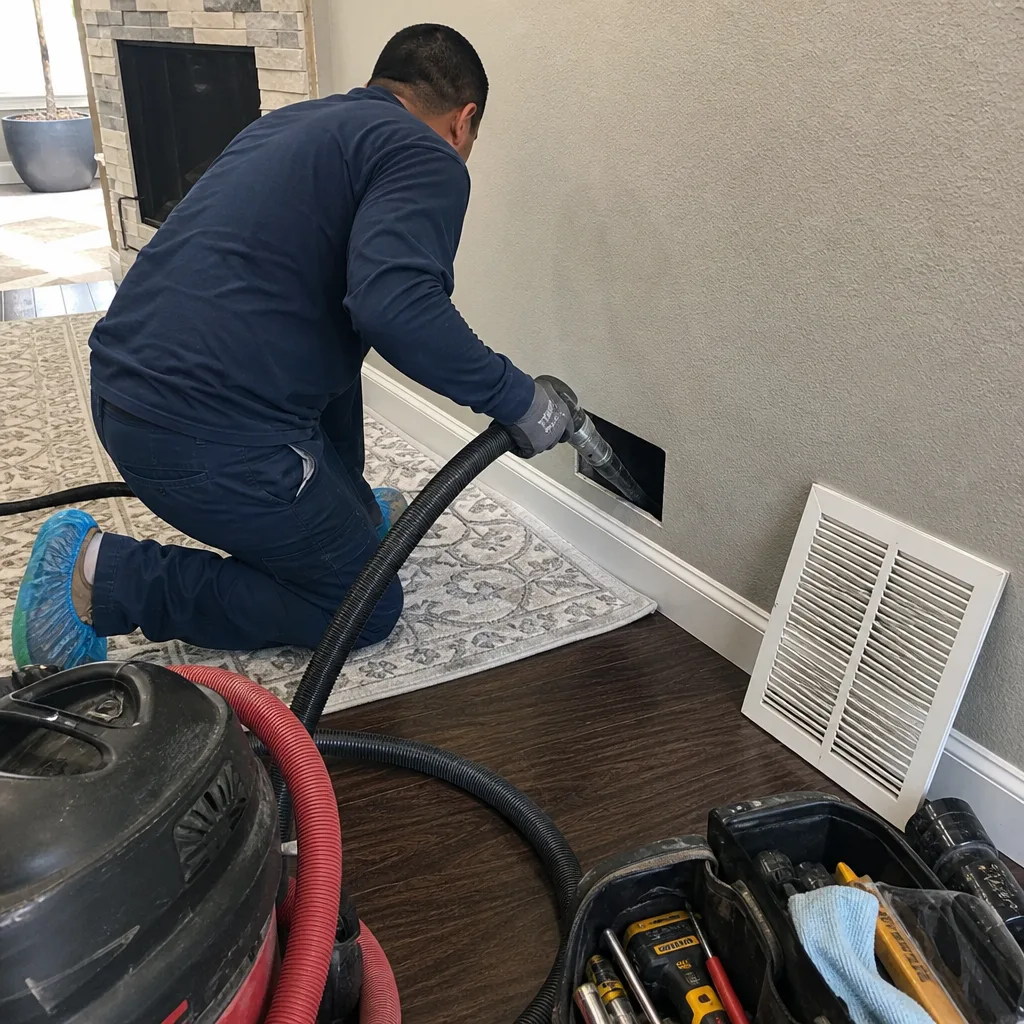
- Before-and-after photos. This is standard practice for professional cleaning companies and serves double duty for repair work. Photographs of the sealed joint, the replaced flex run, or the new plenum connection are your simplest proof that the work actually happened as described. A company using professional-grade equipment like Rotobrush rotary brush systems and Nikro HEPA-filtration vacuums will typically provide images as part of standard reporting.
- Permit application and final inspection record. If the work required a permit, your name should never appear as applicant. The contractor applies, schedules inspection, and provides you a copy of the final approval. Keep it in the same file as your home purchase documents.
- HERS CF-6R form. If duct testing was performed, the HERS rater files this form electronically. Request a copy from the contractor. It shows the tested leakage rate and the compliance determination.
- Material documentation. If flex duct sections were replaced, the new material should be labeled with its R-value and manufacturer. A photograph of the labeled section before installation doubles as material verification.
For cleaning-only work, we recommend requesting before-and-after inspection images. A thorough Duct Cleaning Westminster home cleaning should document what was removed and confirm that all access panels were properly resealed. That’s not a code requirement; it’s a professionalism requirement, and it matters when you’re deciding whether the service was worth what you paid.
Common Mistakes to Avoid
- Assuming “no permit needed” means “no standards apply.” Cleaning work is exempt from permitting in Westminster, but the work should still follow NADCA (National Air Duct Cleaners Association) standards for process and documentation. Exemption from permits is not exemption from professional practice.
- Accepting duct sealing offered as a “free add-on” during cleaning. If sealing is free, it’s either not real sealing or it’s unpermitted work. Either way, you haven’t been given honest information about what’s happening to your duct system.
- Not verifying C-20 licensing before repair work begins. Calling a cleaning company to also handle a duct repair is convenient, but only if they hold C-20 licensing for the repair scope. Asking for the license number and checking it on the CSLB website takes five minutes and eliminates the biggest risk in this entire guide.
- Losing the documentation. Homeowners file away warranty cards and toss contractor paperwork. When resale questions come, the paperwork is gone. Keep it electronically or in a physical file with your home records.
- Replacing ducts without understanding Title 24 implications. A full duct replacement in Westminster is a significant project that will trigger permit, testing, and inspection requirements. Planning for these from the start prevents stop-work orders and re-inspection fees.
- Using hardware store tape to seal ducts after noticing a leak. The gray fabric tape doesn’t meet UL 181 standards and will fail any future inspection. This is one area where the DIY instinct creates a problem worse than the one it solves.
- Assuming a home inspector will catch everything before you buy. General home inspectors in Westminster spend 30 to 45 minutes evaluating the HVAC system as one component of a much larger inspection. They catch obvious problems. They don’t do HERS testing or pull permit history. That’s on the buyer to request.
When to Call a Professional
If your Westminster home’s ducts haven’t been cleaned in five years or more, or if you’ve just purchased a home with no maintenance records, professional inspection is the right starting point. The same applies if you’re noticing uneven room temperatures, musty odor from vents, or rising energy bills without a clear explanation. These symptoms can indicate accumulated debris, disconnected duct runs, or substantial leakage, all of which are diagnosable with proper equipment rather than guesswork.
If cleaning reveals damage that crosses into repair territory, that’s the moment to pause and clarify exactly what’s being proposed, whether a permit is required, and whether the contractor holds C-20 licensing. Duct Cleaning Westminster offers free estimates in Westminster. Call (877) 752-8412 to schedule an inspection that will clarify what your ducts actually need.
Frequently Asked Questions
No. Air duct cleaning is classified as routine maintenance under California building codes and does not require a permit in Westminster or anywhere else in the state. The permit requirement attaches to modifications like duct sealing, flex duct replacement, or plenum work, not to the removal of debris from existing duct interiors.
In Westminster, any structural alteration to the duct system triggers a mechanical permit. This includes replacing flex duct sections, modifying or replacing plenum boxes, adding or removing register openings, and sealing duct leaks as a standalone service. The common thread is any change to the physical configuration or performance characteristics of the system. Call (877) 752-8412 if you’re unsure whether your planned work crosses the threshold.
Yes, if the work was completed under a permit, a HERS duct leakage test is typically required to close out that permit in Westminster and throughout Orange County. The test measures actual leakage at 25 pascals and compares it to the Title 24 limit that applies to your project. Without a passing HERS result, the building department won’t sign off on the permit.
Only if they hold a C-20 Warm-Air Heating, Ventilating and Air-Conditioning contractor’s license from the California Contractors State License Board. Cleaning work itself doesn’t require this license. If a cleaning-only company offers to seal ducts or replace flex sections, verify the C-20 license before accepting the work.
Request a permit history search from Westminster’s building division for your property address. Compare the permits on file against the visible condition of the HVAC system. If the system has clearly been replaced or modified but no corresponding permits appear, you’re likely looking at unpermitted work. This discovery matters most during purchase due diligence.
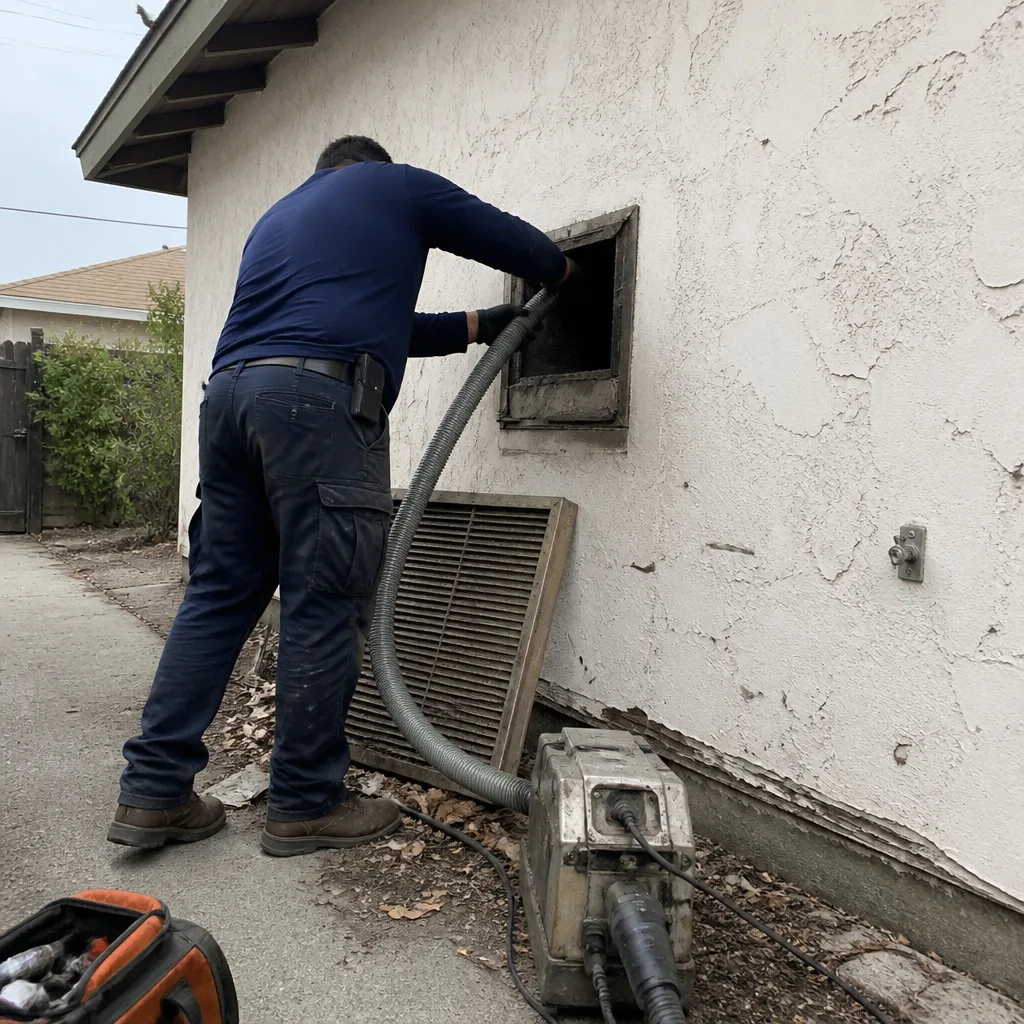
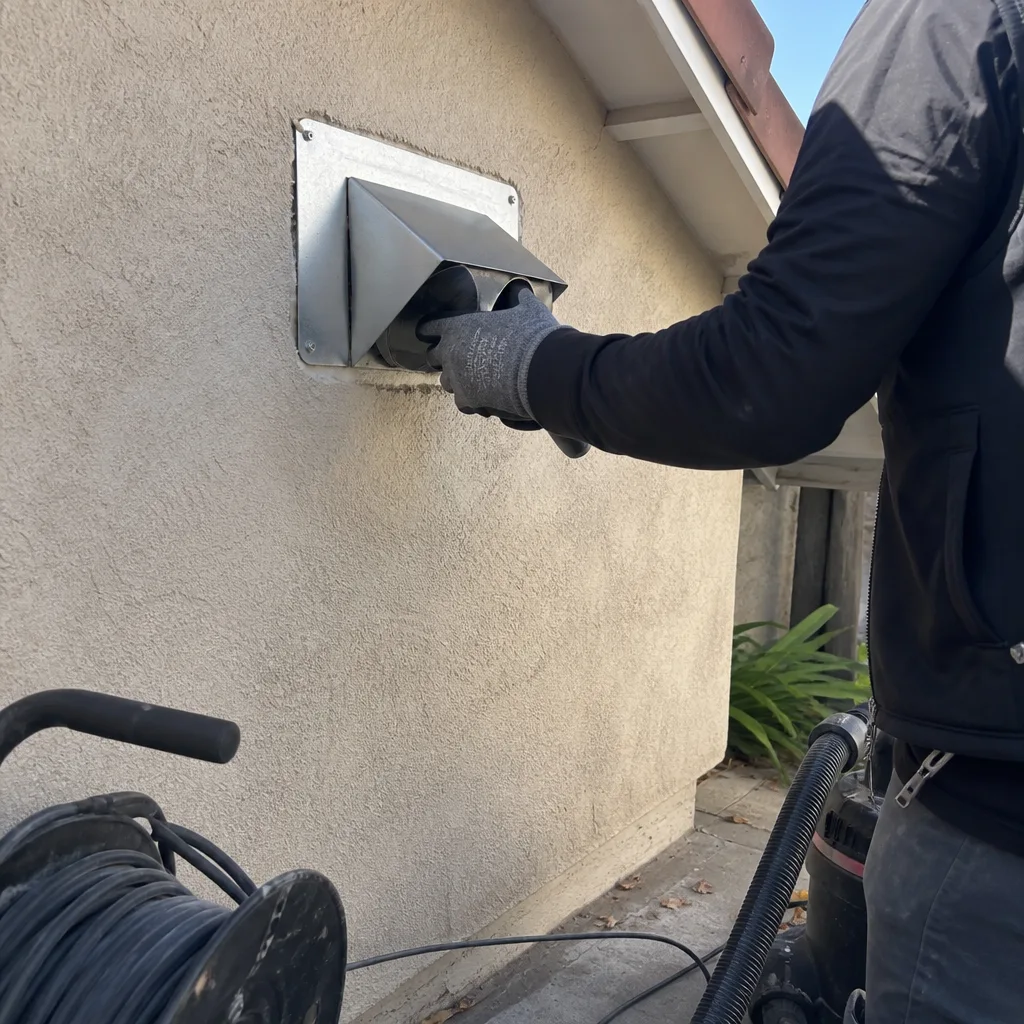
Keep the detailed scope-of-work invoice, before-and-after photos, any permit application and final inspection approval, HERS test results if applicable, and the CSLB license number of the contractor who performed the work. These documents establish the paper trail that protects your resale value. For Dryer Vent Cleaning in Westminster work, keep photos documenting lint clearance, especially if you’re in an older home with an original vent run.
The Bottom Line
For more guides & resources: air duct cleaning needs no permit in California. The repair and sealing work that often accompanies it often does. That single distinction is the difference between a clean maintenance record and an unpermitted HVAC modification that surfaces during a Westminster home sale. Know which work you’re paying for, verify C-20 licensing when repair is involved, insist on HERS testing when a permit is in play, and keep the paperwork. These habits cost nothing and protect thousands in home equity. The ducts move air. The paperwork moves with the house.
Written by the team at Duct Cleaning Westminster, serving Westminster since 2017.
See the difference
 Before
 After
 Before
 After
 Before
 After