
Last updated November 2, 2026
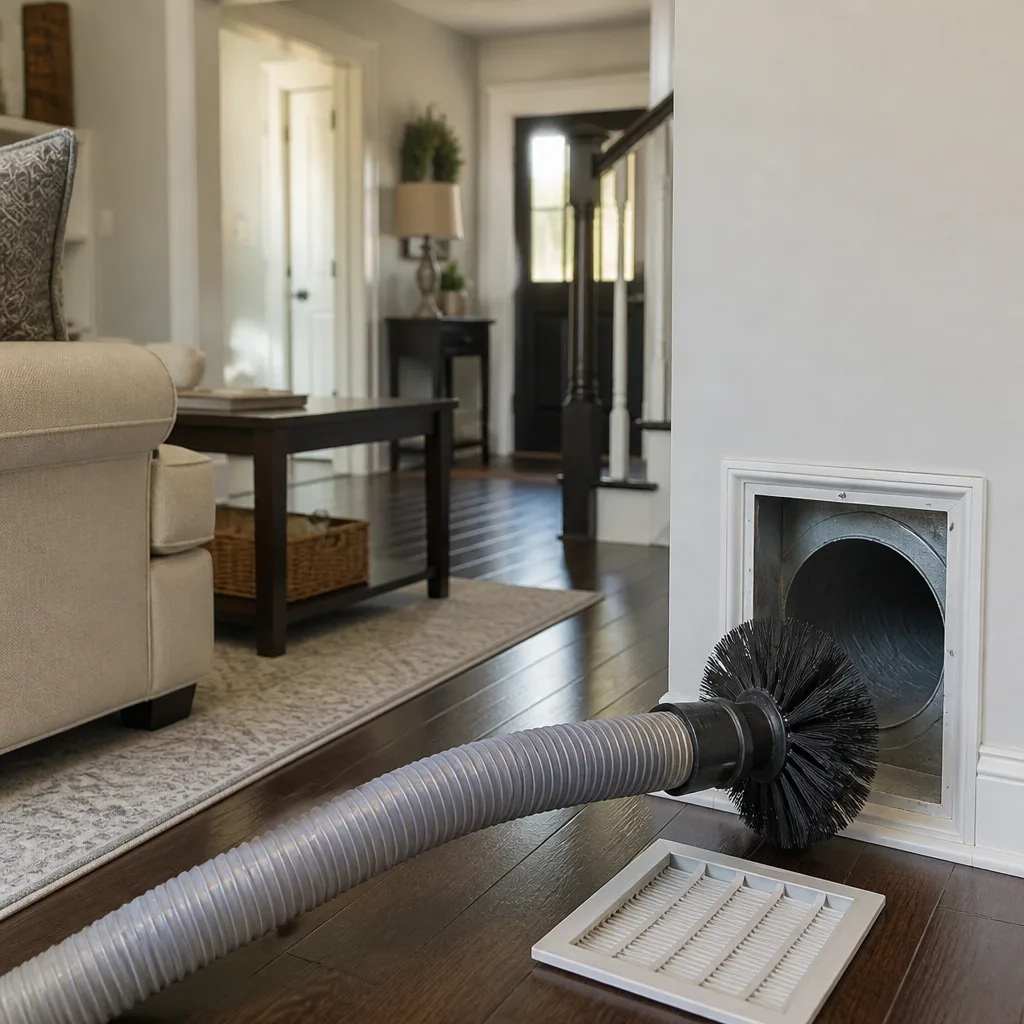 Whole-home duct cleaning
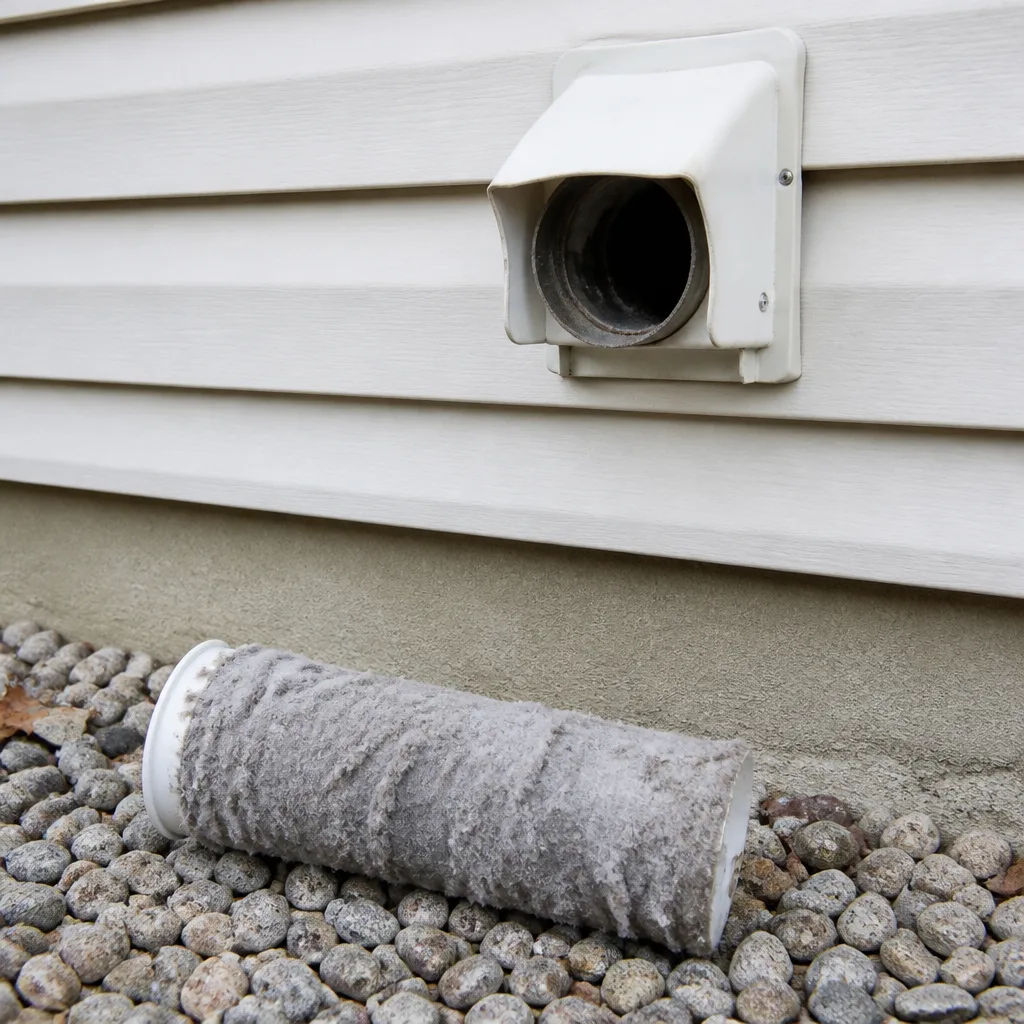 Dryer vent cleaning
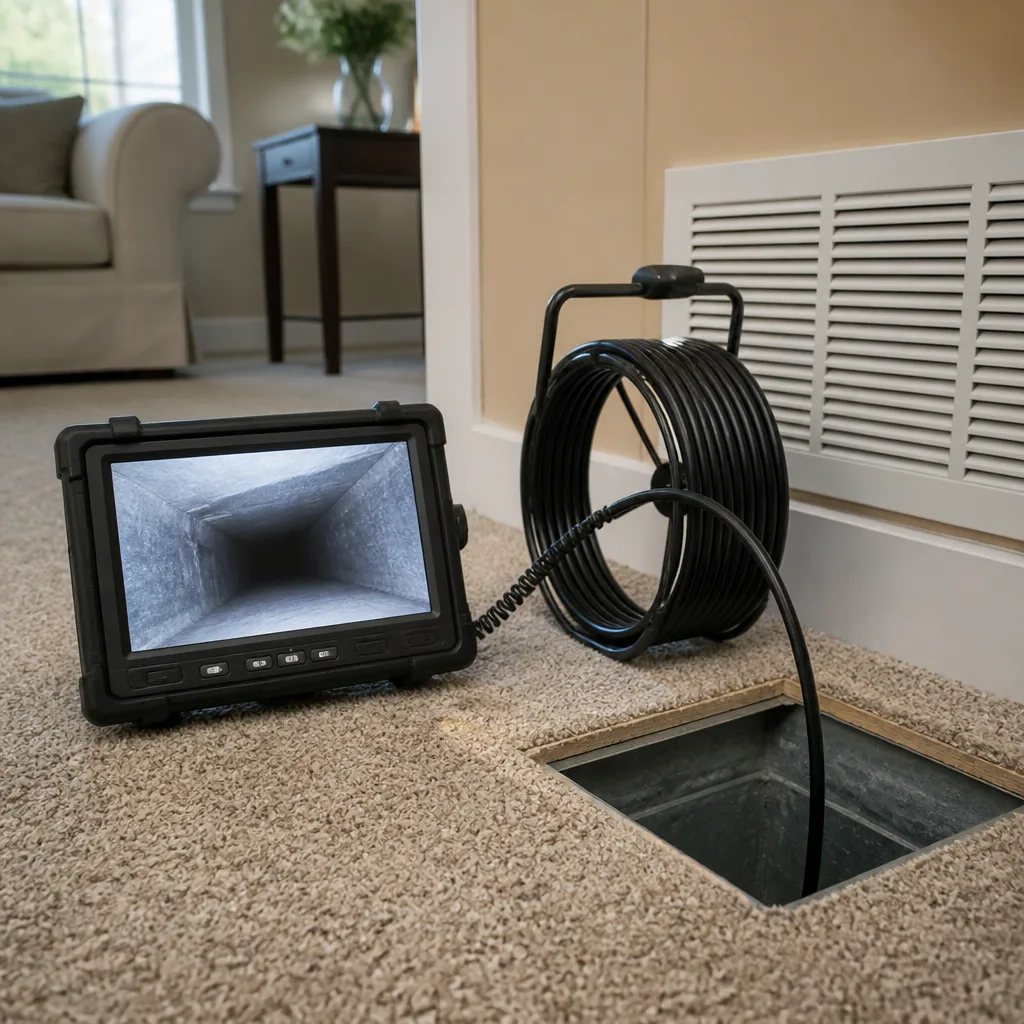 Camera inspection
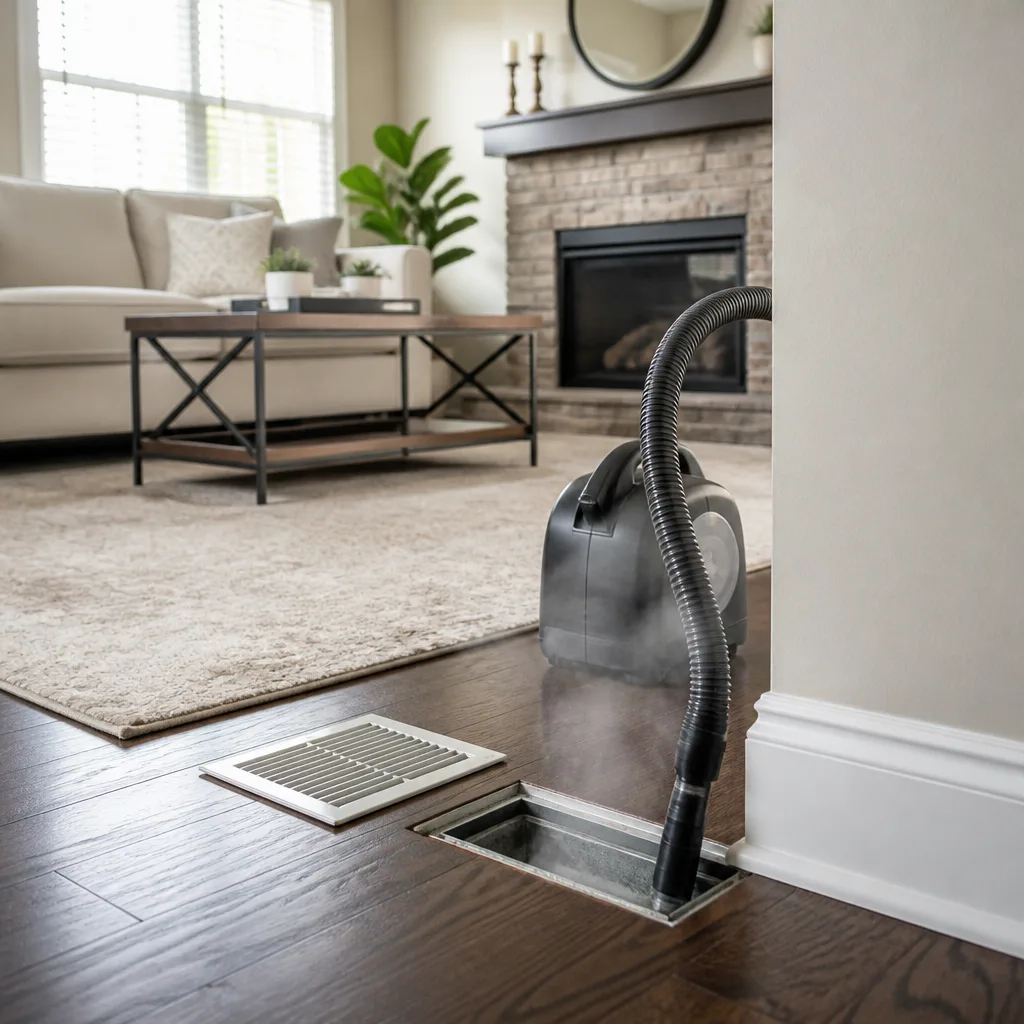 Sanitizing & deodorizing
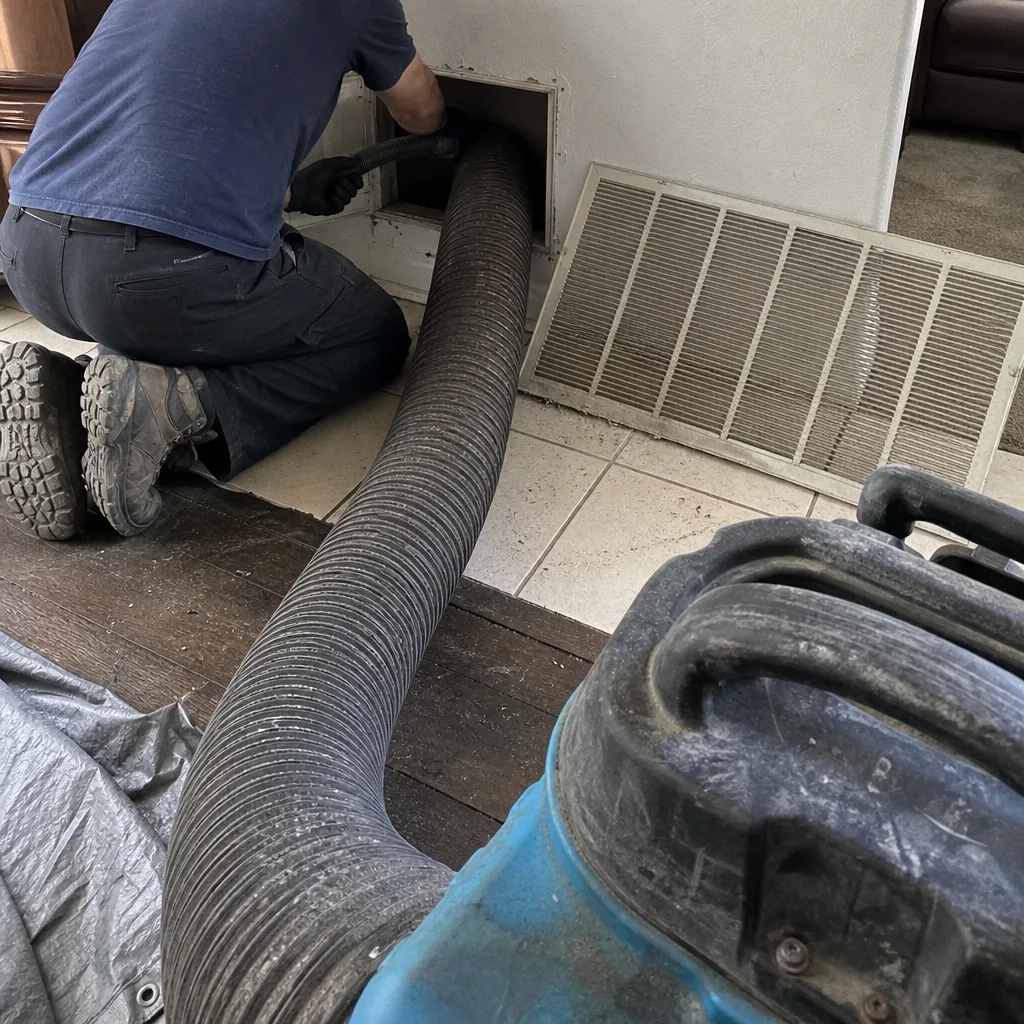
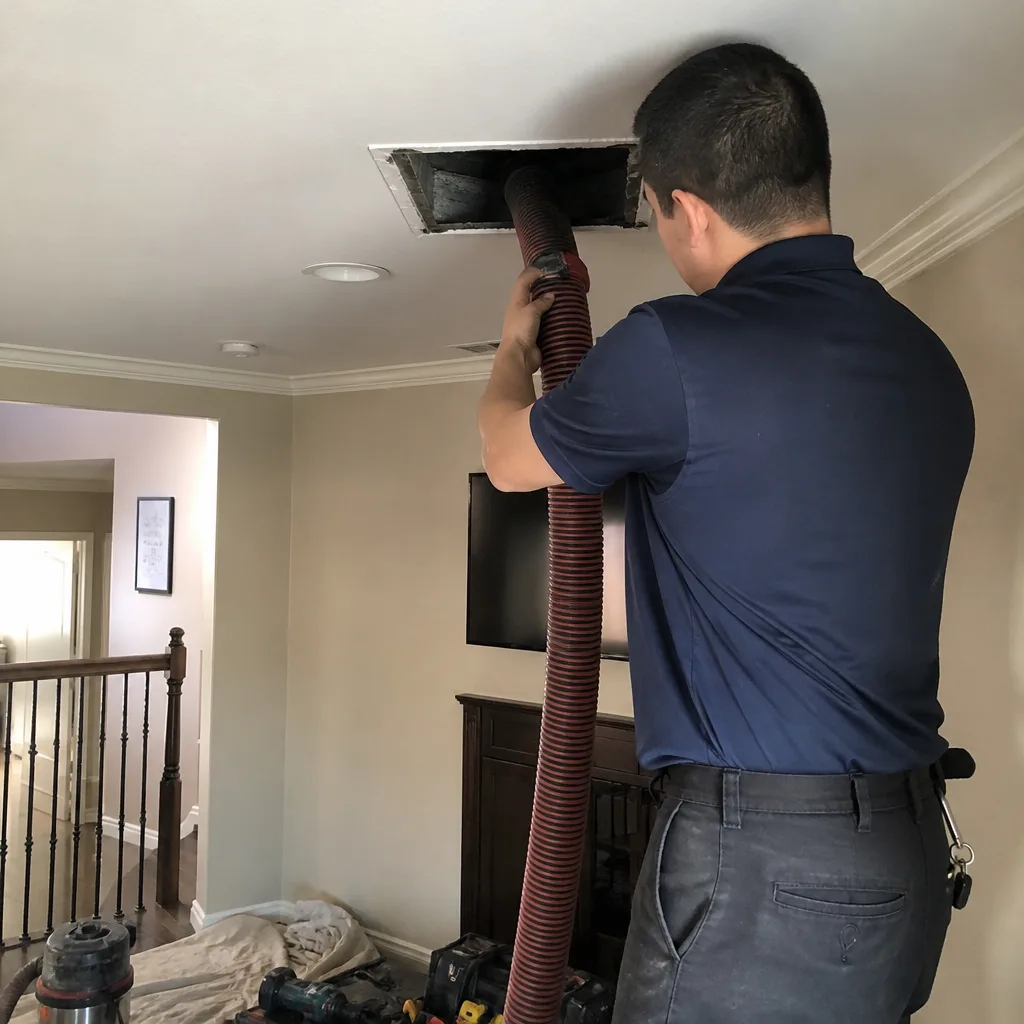
Whole-system duct and dryer vent check with before-and-after photos - you see exactly what came out of your vents
That "$99 whole-house special" is a bait ad - the real number appears once they are in your hallway, or the "clean" is a shop-vac at the register. We photograph the inside of your ducts before and after instead.
Choosing the Right Air Duct Cleaning Brand: A Buyer’s Guide for Westminster
Most duct cleaning contractors will not name their equipment on their website. There is a reason for that. The gap between professional-grade extraction systems and what budget operators carry is large enough to be embarrassing, and vague phrases like “powerful truck-mounted vacuum” usually hide a consumer shop vac and a rotating brush attached to a drill. In Westminster, where summer attic temperatures regularly exceed 140 degrees and HVAC systems run hard from May through October, the equipment a contractor drags into your home determines whether you get a real cleaning or an expensive visual touch-up. This guide breaks down the equipment categories that matter, the brand names worth recognizing, and the exact questions to ask before you let anyone near your duct system. For homeowners who want the full picture, see The Complete Air Duct Cleaning Guide for Westminster Homeowners.
Styles & brands we work with
- Whole-home duct cleaning
- Dryer vent cleaning
- Camera inspection
- Sanitizing & deodorizing
Quick Answer
The right air duct cleaning brand is not the company with the biggest ad budget. It is the contractor who can name their vacuum system, its CFM rating, and their agitation method in ten seconds. Look for professional-grade equipment from manufacturers like Rotobrush, Nikro, and Abatement Technologies, and be wary of any Westminster contractor who gives vague answers about their tools. The equipment brand is a reliable proxy for whether you are hiring a real duct specialist or a discount operator with a portable vacuum and a camera phone.
Table of Contents
- Why the Equipment Brand Is the Most Reliable Quality Signal
- Professional Vacuum Systems: Truck-Mounted vs. Portable HEPA
- Rotary Contact Cleaning: What Rotobrush Does That Air Whips Cannot
- Video Inspection Equipment: Proof vs. Promises
- Duct Sealing Materials: Aeroseal, Mastic, and Foil Tape in California
- How to Ask a Contractor About Their Equipment
- Common Mistakes to Avoid
- When to Call a Professional
- Frequently Asked Questions
- The Bottom Line
Why the Equipment Brand Is the Most Reliable Quality Signal
You cannot watch the inside of your ducts while the work happens. You cannot easily inspect every branch line afterward without your own scope. So you are taking the contractor at their word, and this industry is full of operators who exploit that. The equipment they carry is the one thing that is hard to fake. A Rotobrush system costs thousands of dollars. A Nikro HEPA vacuum is a serious capital investment. A contractor who runs this equipment protects that investment by knowing how to use it. A contractor running a consumer vacuum has nothing to lose by cutting corners. In our experience across Westminster, the contractors willing to name their equipment brands on the phone are almost always the ones who show up with the right tools and do the job correctly.
Westminster’s housing stock makes this more important. Many homes here were built in the 1960s and 1970s, with original metal ductwork that has decades of accumulated dust, construction debris, and sometimes rodent activity. Older homes in neighborhoods like the tracts near Bolsa Chica Road and Edwards Street often have ducts that have never been properly cleaned. The right equipment handles that.
Professional Vacuum Systems: Truck-Mounted vs. Portable HEPA
The single most important piece of equipment in duct cleaning is the vacuum system. It creates negative pressure inside the plenum and branch lines, pulling loosened debris out of the system instead of letting it circulate through the house. Professional systems fall into two categories, and understanding the difference saves you from paying for a glorified floor vacuum on a wand.
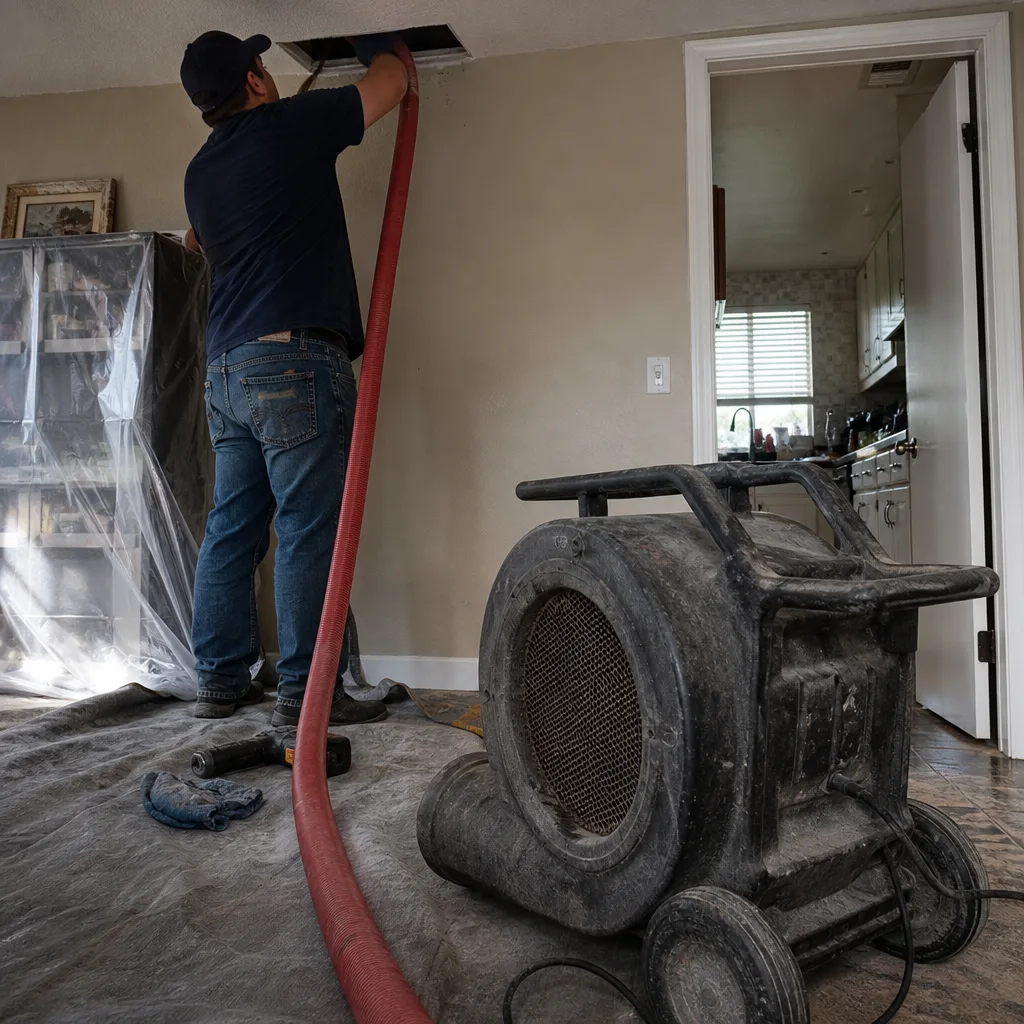
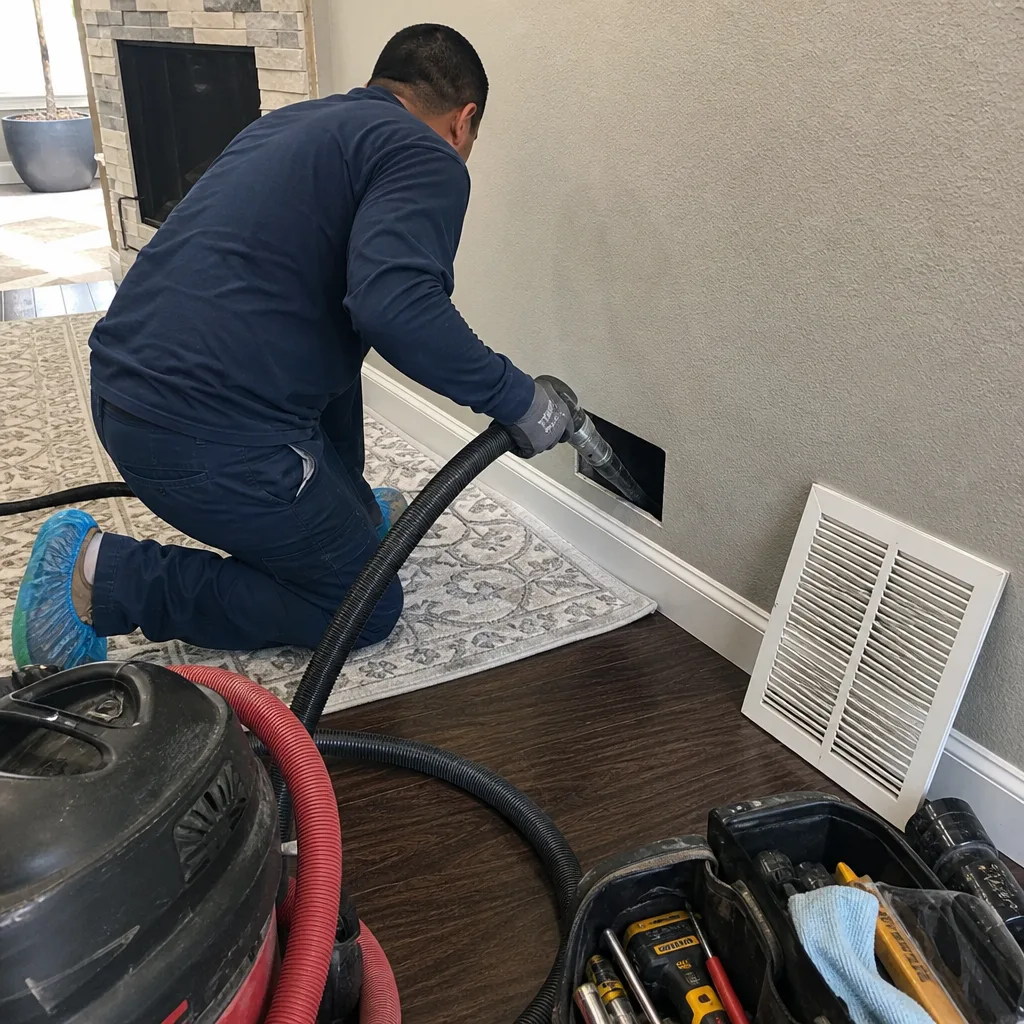
Truck-mounted systems pull air at 12,000 to 15,000 CFM through a hose connected directly to the ductwork near the furnace. That is enough airflow to move debris through long branch runs. Portable HEPA units, like those from Nikro, generate less raw airflow, typically 2,000 to 4,000 CFM, but they are designed to be placed at the point of cleaning. They filter captured air through HEPA media before discharging it inside the home, which means they have to be sealed properly. The best portable units include a secondary containment system, and brands like Abatement Technologies build portables specifically for indoor air quality and restoration work. A professional setup does not have to be truck-mounted to be effective, but it does have to be a system, not a vacuum.
The filter rating matters more than the power source. A real HEPA filter captures 99.97% of particles at 0.3 microns. A “HEPA-style” filter captures less. If a Westminster contractor uses a Nikro or an equivalent HEPA-rated negative air machine with proper sealing, that is a professional operation. If they bring a Ridgid shop vac with an extension hose, that is a surface dusting, not a duct cleaning.
Rotary Contact Cleaning: What Rotobrush Does That Air Whips Cannot
Extraction alone will not remove the compacted dust and biofilm that adheres to duct walls. Air duct surfaces, especially insulated fiberglass and older sheet metal, hold onto particulate matter. Removing it requires mechanical agitation. There are two ways contractors do this: compressed air whips and rotary contact brushes.
An air whip is a wand with angled nozzles that blasts compressed air into the duct to loosen debris. It is effective in round, smooth metal ducts where there are no corners for debris to hide. It does a poor job on rectangular ducts, flex ducts, or insulated interiors. Compressed air also pushes a significant amount of debris into the air if the vacuum system is not strong enough to capture it.
A Rotobrush rotary system, by contrast, uses motorized rotating brushes that physically scrub the duct walls while the vacuum runs. The Rotobrush brand dominates this category because they designed their system to pair with HEPA-filtered extraction. The brush head feeds through the ductwork, scrubbing the full interior surface, including corners and seams. For flex duct, the agitation must be gentler; a rotary brush can damage the inner liner if misused. This is where equipment knowledge matters. A contractor who only uses an air whip is leaving material behind in most residential systems. A contractor who knows when to use a Rotobrush and when to switch to gentler methods understands the systems they are working on.
We use Rotobrush rotary equipment and Nikro HEPA-filtration vacuums on our jobs. It is the same combination used in restoration work where post-remediation air quality is measured and documented.
Video Inspection Equipment: Proof vs. Promises
A duct cleaning contractor can claim the system is clean. Without documentation, you are accepting that claim on faith. Video inspection equipment, like a Ridgid SeeSnake or an equivalent camera scope, changes that. A contractor who runs a camera through the plenum and branch lines before and after the job gives you evidence. A contractor who does not own a scope cannot.
Before-and-after photos of your own ductwork are the single best verification that the work was done. They also serve a diagnostic role. The camera sees things no one else can: disconnected branch lines, crushed flex duct, rodent damage, mold-like growth, and leaks at the plenum. A cleaning company that does not inspect is leaving these conditions in place. Our Air Duct Repair in Westminster service exists because we find these issues during routine inspections.
In Westminster specifically, the dry, hot climate breaks down flex duct and duct sealant faster than coastal air. Homes that have had careless HVAC installations or replacements often have disconnected sections that leak conditioned air into the attic. A video scope finds these. If a contractor cannot show you before-and-after images, ask why. The equipment to produce them costs a few thousand dollars. Any serious operation has it.
Duct Sealing Materials: Aeroseal, Mastic, and Foil Tape in California
Duct sealing is part of a complete duct service. California Title 24 energy code requires sealed ducts in all new construction and major renovations, and leaky ducts are among the largest sources of energy waste in existing Westminster homes. This section covers what sealing materials do and which applications they suit.
Aeroseal is an aerosolized vinyl polymer that is blown into the duct system while it is pressurized. It deposits at the leak sites from the inside and seals holes up to roughly five-eighths of an inch. It cannot fix disconnections, large holes, or crushed sections. It is effective for sealing hard-to-reach leaks in walls and chases where manual sealing is not possible. Mastic is a thick, brush-on or spray-on sealant rated for gaps, seams, and joints. It is the standard for sealing plenum connections and metal duct assemblies. Foil tape, specifically UL 181-rated foil tape, is appropriate for seam sealing in accessible areas. Standard cloth duct tape is not code-appropriate and fails within a few years in attic heat.
For Westminster homeowners, the relevant question is whether the contractor can assess when sealing is needed. A cleaning-only company cannot address a duct system that leaks 20% of its conditioned air into the attic. We inspect and repair as part of the same service, because cleaning a leaking system is wasted effort. Sealing requires knowing the duct type, the leak location, and the local code requirements. It is not a brush-on-and-done job.
How to Ask a Contractor About Their Equipment
The fastest way to filter a Westminster duct cleaning company is to ask five specific questions. Genuine professionals answer them without hesitation. Discount operators deflect, get vague, or change the subject to price. Here is the sequence that works.
- What vacuum system do you use, and what is its CFM rating? A professional answers with a brand and a number. Nikro, Abatement Technologies, HEPA-AIRE, or a comparable commercial unit. If the answer is “a powerful truck-mounted system,” that is not an answer. Ask for the brand.
- Do you use a rotary brush system like Rotobrush, or an air whip? The answer tells you whether they are cleaning duct walls or just blowing debris around. If they do not know what a Rotobrush is, they are not a duct specialist.
- Can you show me video inspection footage of my own ducts before and after? No scope means no proof. A legitimate contractor offers this without prompting.
- What do you do if you find damaged or disconnected ductwork? If the answer is “that’s not our problem” or “we can refer you to someone,” you are talking to a cleaning-only outfit. A full-service duct contractor fixes it or works with your HVAC company directly. Our Duct Cleaning Westminster home service includes inspection and repair capability.
- Do you use containment equipment during cleaning? Negative pressure containment, like the systems from Abatement Technologies, prevents debris from spreading into living spaces during the job. If a contractor has never heard of containment, the job will be messy, and the air in your home may be worse at the end than at the start.
These questions take less than two minutes on the phone. They eliminate the majority of low-quality operators in the Westminster market before you ever schedule a visit.
Common Mistakes to Avoid
- Choosing based on a low per-vent price. Whole-system pricing is honest. Per-vent pricing is a setup for a surprise invoice. A contractor who quotes $29 per vent and then finds “extra contamination” is running a script, not a service.
- Hiring a company that does not inspect. Cleaning without a camera inspection is a blind procedure. You cannot know what was missed or what was never reached. Westminster homes with original flex duct often have hidden disconnections.
- Accepting compressed air whips as complete cleaning. Air whips loosen surface dust. They do not scrub the duct walls. In rectangular metal trunks, which are common in Westminster homes built before 1980, a rotary brush like Rotobrush is the only thing that removes the compacted layer.
- Treating all filters as equal. A contractor using a standard vacuum filter releases fine particulate back into the home. HEPA filtration is the minimum standard for indoor duct cleaning. Ask for the filtration class.
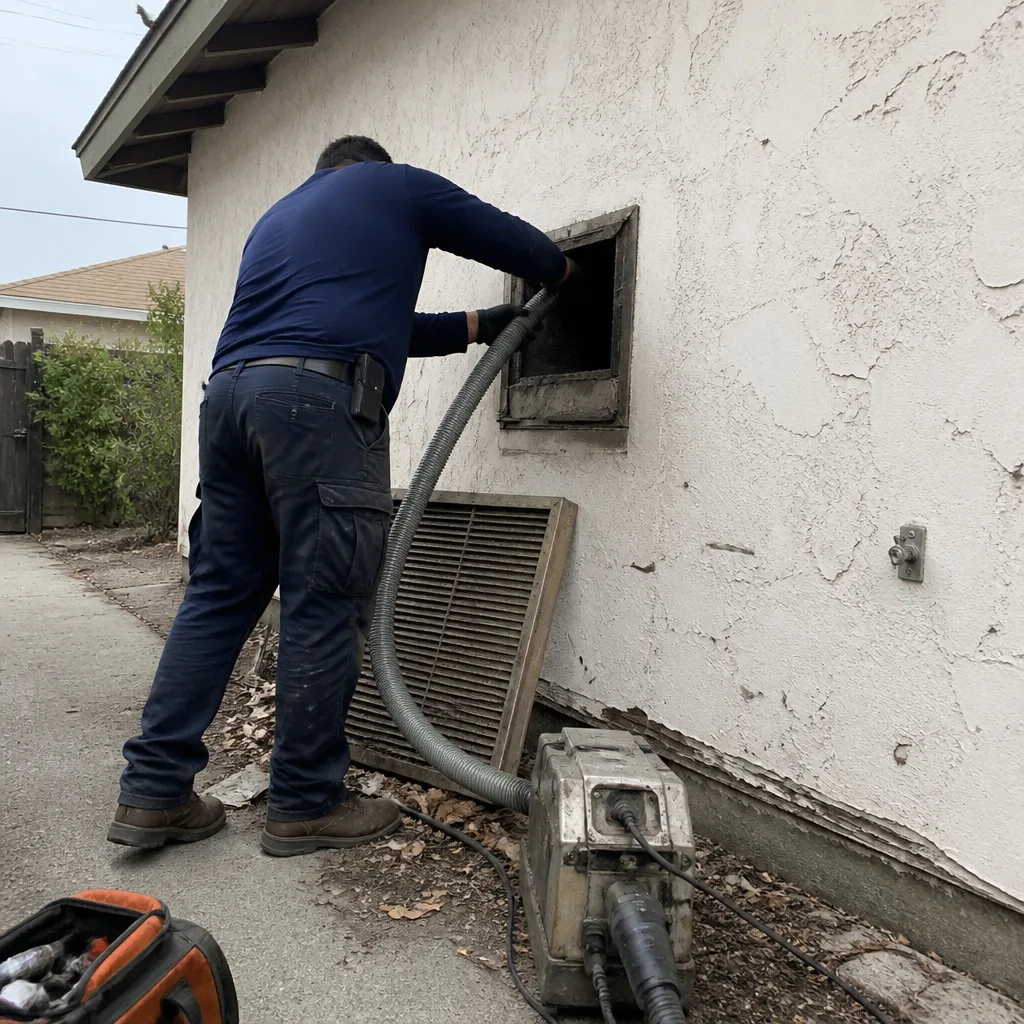
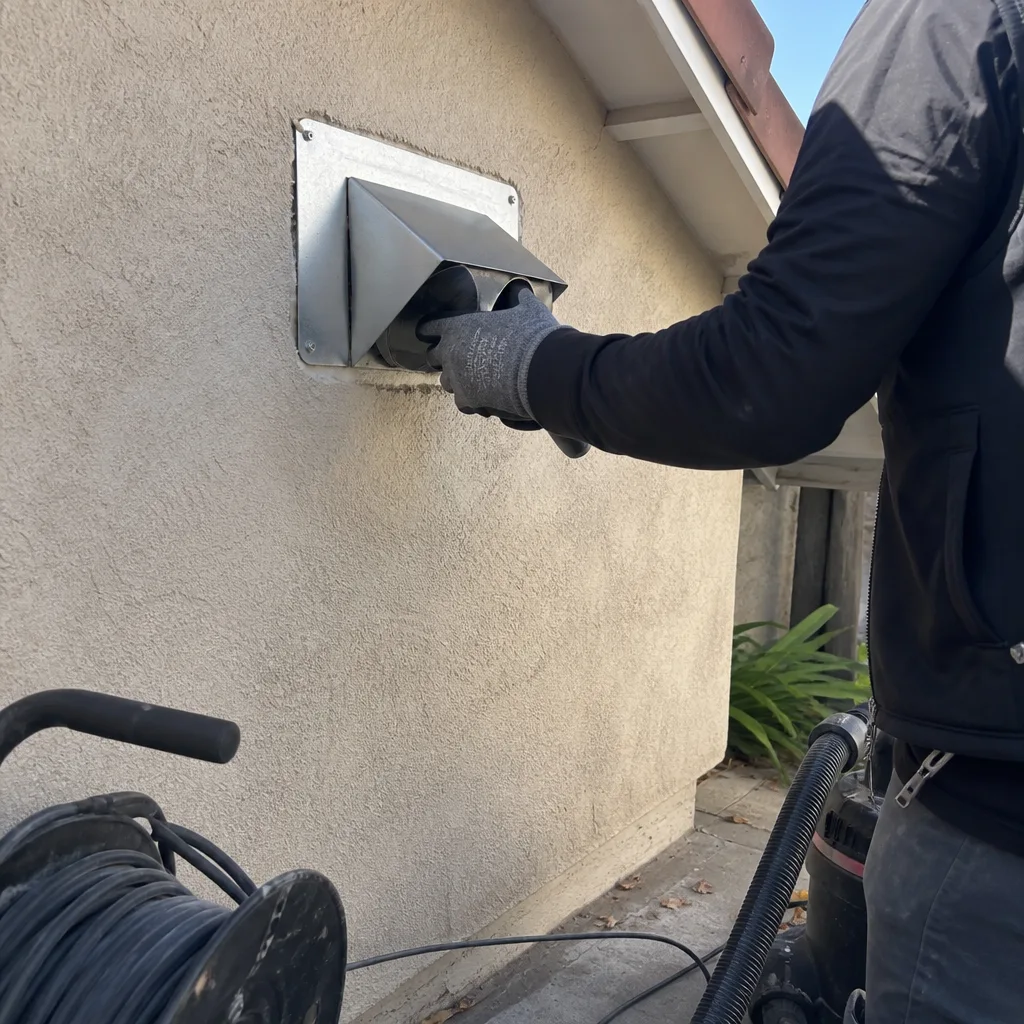
- Skipping the dryer vent. Lint accumulation is a fire hazard. A proper dryer vent cleaning uses specialized rotary equipment, and it is a standalone service, not an afterthought. We offer Dryer Vent Cleaning in Westminster with the same professional-grade approach as our duct cleaning.
- Ignoring the duct system’s condition. Cleaning a duct system that has broken seals, disconnected runs, or crushed flex sections is wasted money. The repair must happen first or alongside the cleaning.
When to Call a Professional
Call a professional for Air Duct Cleaning services when you see visible dust blowing from supply registers, when unexplained allergy symptoms persist indoors, when you move into a home with no cleaning history, or when a recent renovation has introduced drywall dust and debris into the system. These are not cases where replacing a furnace filter solves the problem. The source is in the ductwork. Give us a call at (877) 752-8412 for a free estimate in Westminster. We name our equipment up front, we inspect before and after, and we do not work from a script.
Frequently Asked Questions
A professional whole-system duct cleaning in Westminster typically runs between $400 and $800 for an average single-family home, depending on system size, accessibility, and condition. That range reflects a contractor using commercial-grade extraction and agitation equipment, like Rotobrush and Nikro systems, with HEPA filtration and video documentation. Companies quoting $99 whole-house specials are not performing the same service. For an exact quote on your system, call us at (877) 752-8412.
Lower quotes usually mean lower-grade equipment, less time on site, and narrower scope. A contractor offering a $79 special is running a consumer vacuum through the nearest registers and calling it done. They are not cleaning the plenum, not agitating the branch lines, and not documenting anything. The economics do not work for professional equipment at those prices. Equipment costs, training, insurance, and time all add up. In Westminster, the homes with the oldest ducts need the most capable equipment, and that is never the cheapest option.
Request before-and-after video inspection footage of your own ductwork. A contractor using a Ridgid SeeSnake or equivalent camera scope can show you the plenum and branch lines before cleaning and after. If they cannot provide this, you are taking their word on faith. You can also perform a basic visual check by removing a supply register and looking down the branch with a flashlight, but this only reaches a few feet. Trust the documentation, and choose a contractor who offers it without being asked.
A Rotobrush is a motorized rotary agitation system designed specifically for air ducts. It physically scrubs the duct walls while working in conjunction with a HEPA-filtered vacuum. A regular brush on a rod, whether manual or drill-driven, does not have the same reach, rotational consistency, or debris containment. The Rotobrush brand has become shorthand for rotary contact cleaning because it is the dominant professional system in residential work. When a contractor says they use a Rotobrush, they are naming a specific tool category many competitors do not carry.
It can, when the system is genuinely contaminated. Ducts accumulate dust, pollen, pet dander, and sometimes mold spores over years of use. In Westminster’s dry climate, particulates settle and re-enter living spaces continuously as the system cycles. A thorough cleaning with professional extraction removes that reservoir. But cleaning alone does not help if the ducts leak, if the filter is inadequate, or if the home has ongoing moisture issues. Air quality is a system-wide issue, and the cleaning is only part of it. Browse our more guides & resources for related home maintenance topics. We work with and around whole-home air quality systems from Honeywell and Aprilaire, so our cleaning integrates with existing IAQ strategies rather than working against them.
Every three to five years for most Westminster homes, more frequently if there are smokers, pets with heavy shedding, recent renovations, or family members with asthma or allergies. The NADCA standard recommends cleaning when there is visible accumulation, because age alone is a poor predictor. A video inspection is the only way to know whether your system is at the point where cleaning is warranted. Some homes go a decade without needing it; others need it every two years. Inspect first, clean when the evidence calls for it.
Yes. Lint accumulation in dryer vents is a leading cause of residential fires, and it requires dedicated rotary equipment, not a shop vac. We treat it as a fire-safety service, not an upsell. Our dryer vent cleaning uses the same professional approach as our duct work, and it is available as a standalone service in Westminster. Call (877) 752-8412 to schedule it.
The Bottom Line
The equipment a duct cleaning contractor runs is the most concrete quality signal available to a Westminster homeowner. Professional vacuum systems from Nikro and Abatement Technologies, rotary contact cleaning from Rotobrush, video inspection, and real duct sealing capability separate genuine specialists from discount operators. Ask the five questions. Demand documentation. Choose a contractor who names their tools without hesitation. Air Duct Cleaning in Westminster should mean full system service: inspection, cleaning, and repair as needed, with professional-grade equipment on every job. If it does not, keep looking.
Written by the team at Duct Cleaning Westminster, serving Westminster since 2017.
See the difference
 Before
 After
 Before
 After
 Before
 After