
Last updated November 3, 2026
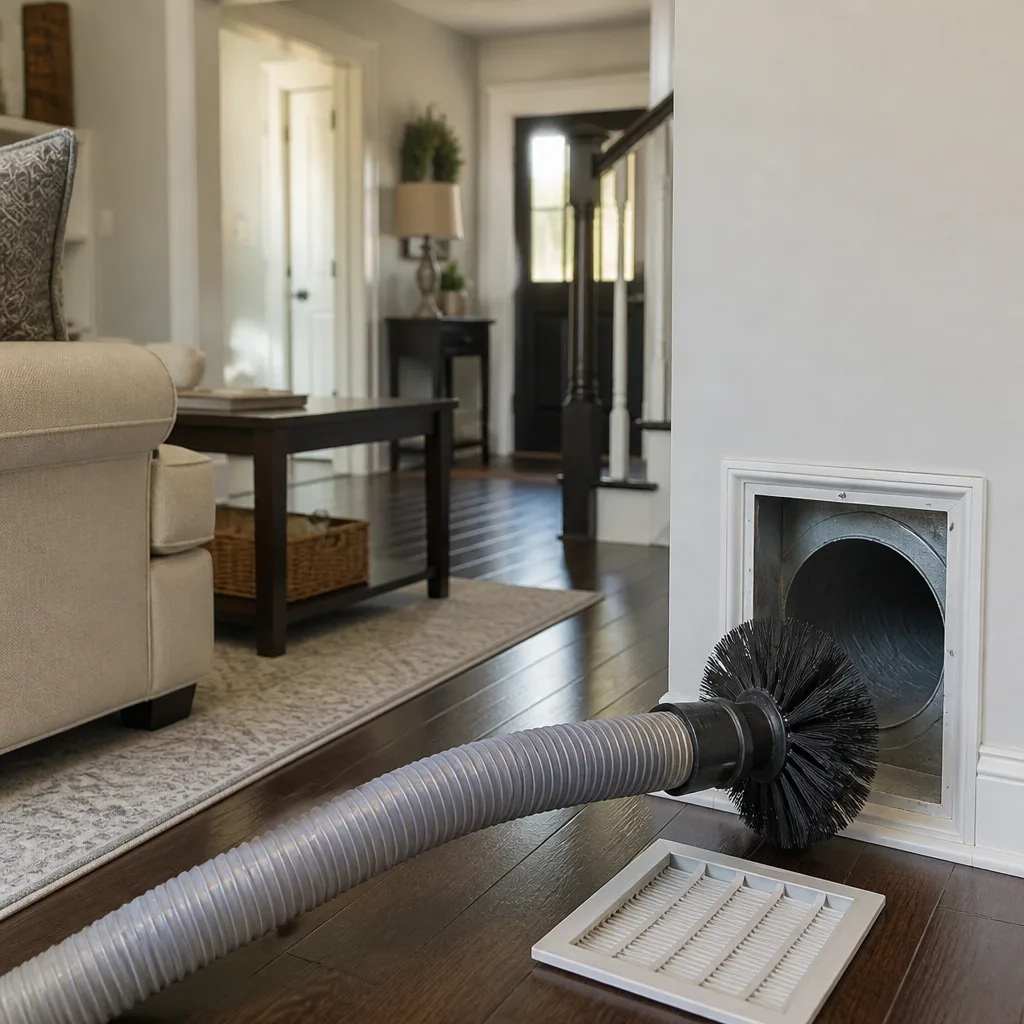 Whole-home duct cleaning
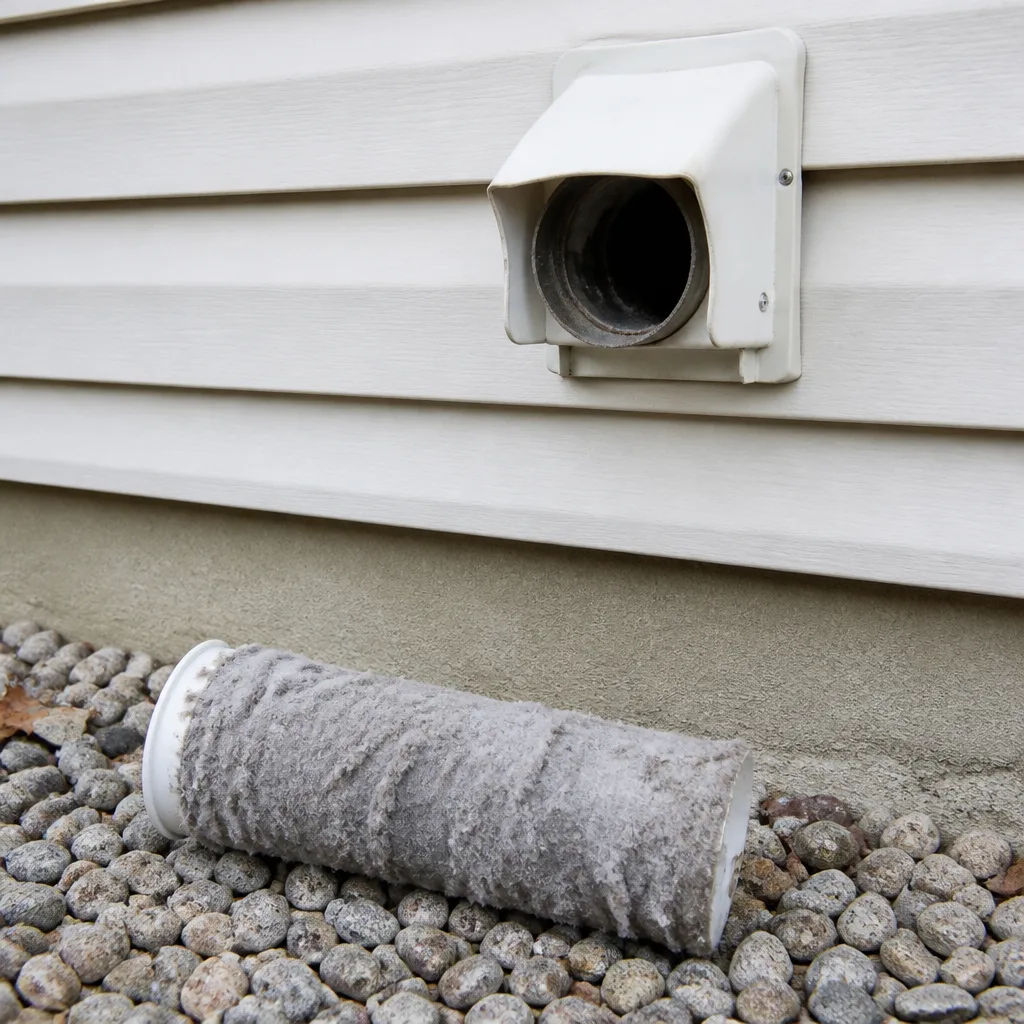 Dryer vent cleaning
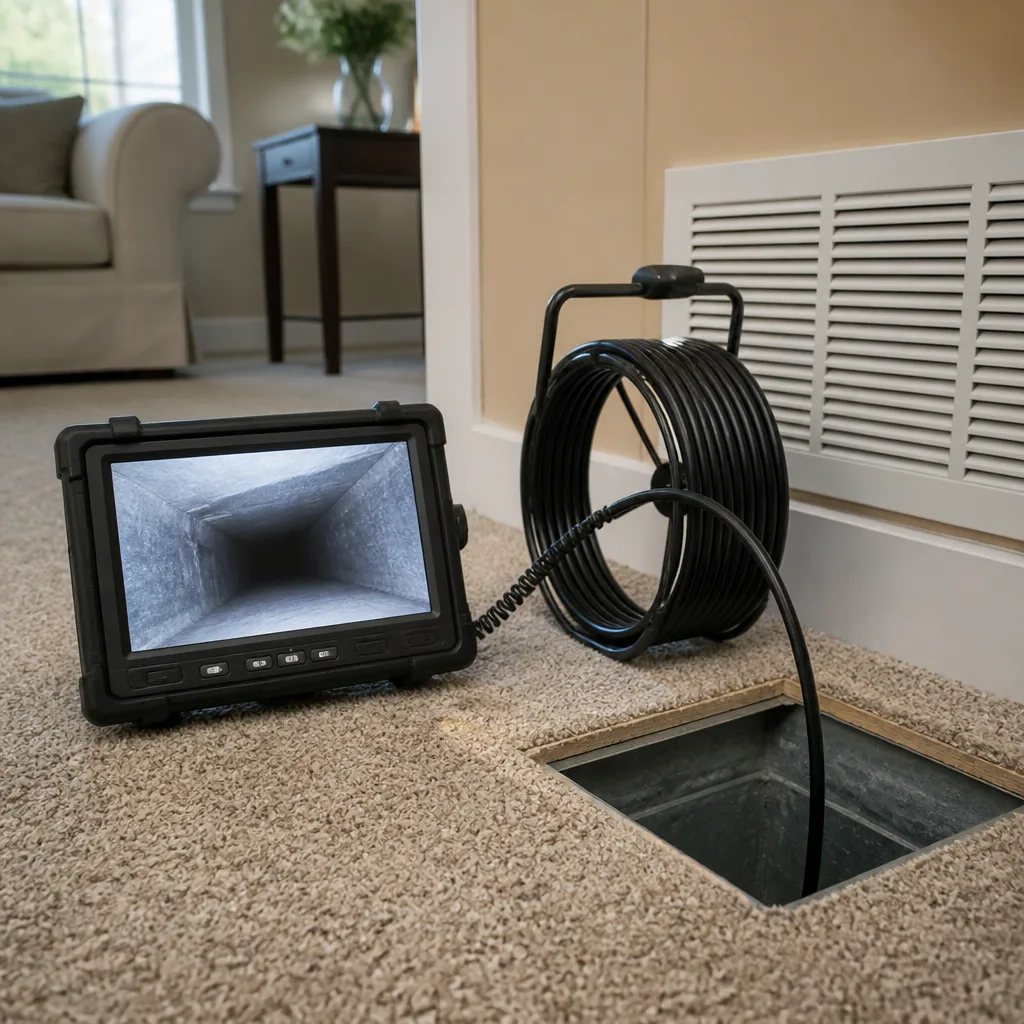 Camera inspection
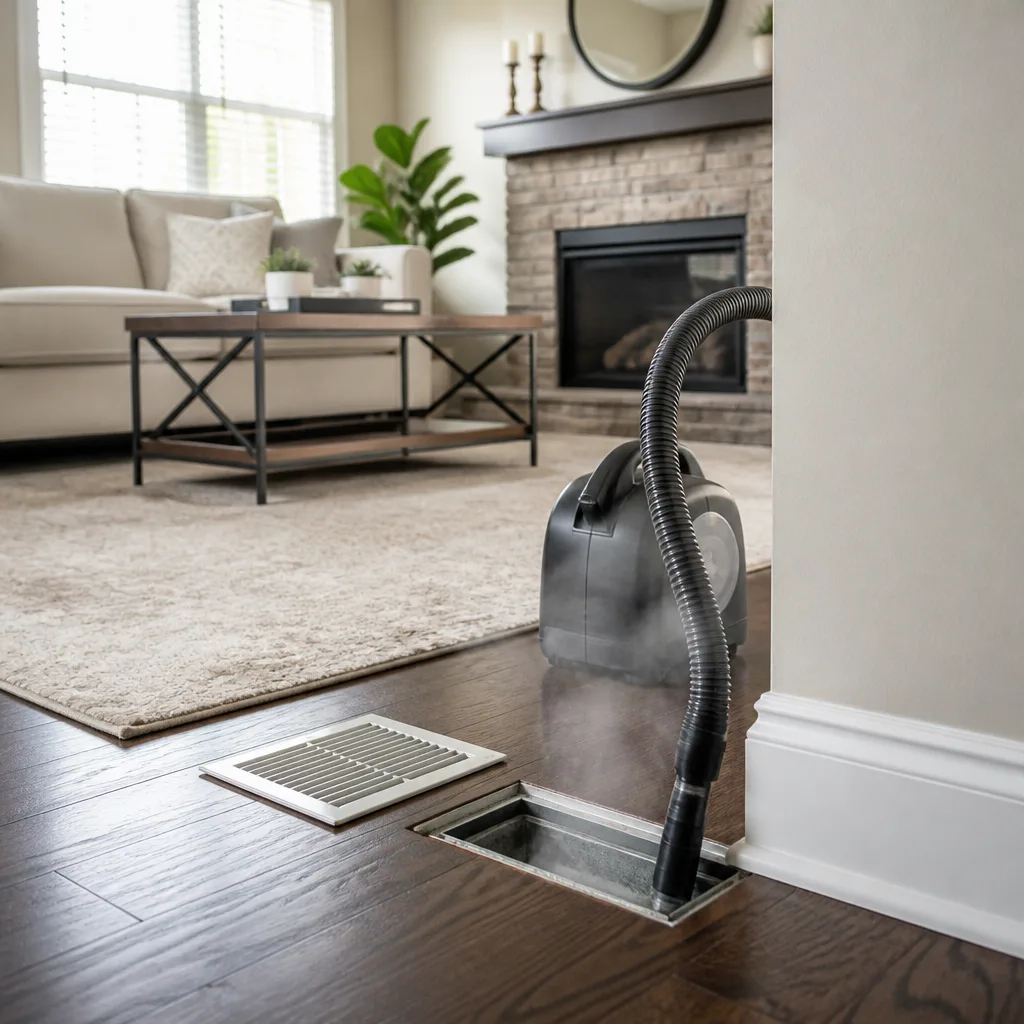 Sanitizing & deodorizing
Whole-system duct and dryer vent check with before-and-after photos - you see exactly what came out of your vents
That "$99 whole-house special" is a bait ad - the real number appears once they are in your hallway, or the "clean" is a shop-vac at the register. We photograph the inside of your ducts before and after instead.
The Complete Air Duct Cleaning Guide for Westminster Homeowners
Here’s a number that should make every Westminster homeowner pause: roughly 40 pounds of dust, skin cells, pet dander, and construction debris accumulates in an average duct system over a decade. What makes Westminster different from, say, Temecula or Rancho Cucamonga isn’t just the amount of debris. It’s what the marine layer does to it. Westminster sits close enough to the coast that nighttime humidity rolls in regularly, but far enough inland that summer temperatures still climb into the 90s. That cycle of damp nights and hot days creates something most cleaning guides never mention: biofilm. It’s a sticky, moisture-activated film that glues debris to duct walls, turning what would be loose dust into a compacted layer that a standard vacuum pass won’t remove. This guide covers what actually works in Westminster’s specific conditions, how to tell a real cleaning from a surface wipe-down, and where to find The Complete Guide to Air Duct Cleaning in Westminster for deeper detailn, and why an inspection comes before everything else.
Quick Answer
Our Air Duct Cleaning services in Westminster involve a full-system inspection with a camera, negative pressure testing, mechanical agitation with professional equipment, and HEPA-filtered collection that prevents cross-contamination. It typically costs between $450 and $950 for a full residential system in Westminster, depending on home size, duct condition, and whether repair or sealing work is needed. The right time to clean is not on a fixed calendar schedule but when inspection evidence shows debris accumulation, moisture damage, or airflow restrictions, which Westminster’s coastal humidity accelerates compared to drier inland areas.
Styles & brands we work with
- Whole-home duct cleaning
- Dryer vent cleaning
- Camera inspection
- Sanitizing & deodorizing
Table of Contents
- Why Westminster’s Climate Changes the Cleaning Equation
- The Inspection Step: What a Camera Tells You Before Any Brush Touches the Duct
- Negative Pressure Testing: The Step Discount Services Skip
- Contact Vacuuming, Agitation Brushes, and Rotary Whips: Which Method Your Ducts Need
- How Much Air Duct Cleaning Actually Costs in Westminster
- Why Duct Sealing and Repair Belong in the Same Visit as Cleaning
- How to Read a Post-Cleaning Report: CFM, Debris Weight, and Camera Timestamps
- How Often Westminster Homes Really Need Duct Cleaning
Why Westminster’s Climate Changes the Cleaning Equation
Most national air duct cleaning guides were written for somewhere like Phoenix or Las Vegas. Dry air, loose dust, predictable buildup. Westminster doesn’t work that way. The city sits in a microclimate zone where the Pacific marine layer pushes inland most nights between May and September, raising relative humidity inside unconditioned crawl spaces and attic duct runs to 70 percent or higher. Then the daytime sun burns through and interior temperatures climb. That daily condensation cycle does two things to your ductwork. First, it turns fine dust into a paste that adheres to duct walls, especially at the return trunk and first few feet after the filter. Second, it creates conditions where mold and bacterial biofilm can grow inside ducts, particularly in homes where the AC short-cycles and doesn’t run long enough to dry the system out. In our work across Westminster’s track-home neighborhoods plus older pockets near Westminster Boulevard and Bolsa Avenue, we regularly find the same pattern: homes built in the 1960s and 1970s with original metal ducts showing biofilm at the return plenum, and newer subdivisions off Edwards Street showing construction debris, drywall dust, and sometimes paint overspray that has been there since the home was built.
What this means practically is that a fixed schedule, like every three years or every five years, doesn’t make sense in Westminster. A home near the coast in the western part of the city will accumulate a different type of debris than a home near the 405 corridor. The only way to know whether cleaning is due is an inspection. Not a guess based on the calendar. Not a coupon in the mail. A camera on a flexible scope, run through the supply and return trunks, looking at what is actually in there. Everything else is salesmanship.
The Inspection Step: What a Camera Tells You Before Any Brush Touches the Duct
Every legitimate duct cleaning in Westminster should start with a camera inspection. Not a flashlight pointed into one register. Not a smartphone photo from the return grille. A purpose-built duct camera with a flexible cable that can reach the main trunk lines, the branch runs, and the return drop. Here’s what the inspection is looking for.
- Debris depth and type: Is it loose dust, pet hair, or compacted construction material? A half inch of compacted drywall dust requires different equipment and more time than loose household dust.
- Moisture and biofilm: Dark staining, a musty smell at the supply registers, or visible film on metal surfaces. In Westminster’s humidity cycle, this is the signal that the system needs cleaning for health reasons, not just airflow reasons.
- Disconnected or collapsed sections: Especially in older Westminster homes with sheet metal ducts, a section may have separated at the seam, pulling crawl space air directly into the supply side. Cleaning won’t fix that. It needs repair.
- Filter bypass evidence: Dust accumulation downstream of the filter location that suggests the filter was not sealing, or was never the right size. This tells us the system needs a filter correction along with cleaning.
- Pest evidence: Rodent droppings, nesting material, or insect casings in the ductwork. This changes the entire cleaning protocol and may require sanitizing beyond standard cleaning.
The inspection also serves as the baseline for the post-cleaning report. Without a before picture and before measurements, any after claim is unverifiable. A real duct cleaning company in Westminster will document what they found, show it to you on a monitor or tablet, and explain what it means before doing any work. If a company arrives and wants to start hooking up equipment without a camera inspection, that’s the signal to send them home. For a complete guide to what’s entailed in a professional Air Duct Cleaning in Westminster from start to finish, see our full service page.
Negative Pressure Testing: The Step Discount Services Skip
Here’s a term most homeowners never hear from a cleaning company: negative pressure test. It matters because it tells you whether the cleaning equipment can actually do the job before the work starts. The physics works like this: a duct cleaning vacuum works on negative pressure, meaning it pulls air from inside the duct system into a collection unit. To work effectively, that negative pressure needs to be maintained at a level that keeps dislodged debris moving toward the vacuum instead of falling back into the duct. If the vacuum is undersized for the duct system, or if the access point is poorly sealed, the pressure drops and debris settles back down into the trunk line.
In Westminster homes with long trunk line runs, this is a bigger issue than in compact apartments. A two-story home with runs extending 40 feet from the air handler needs significantly more CFM from the vacuum than a single-story ranch. When we test negative pressure with a manometer before starting, we’re measuring whether the Nikro HEPA vacuum we’ve attached can hold sufficient suction across the full system. If it can’t, we adjust the access point, seal off branch runs, or add additional vacuum capacity. The point is that we know before we start, not after the job is done. Most one-truck operations skip this test entirely because they don’t own a manometer and their vacuum is undersized. That’s the real reason their results are inconsistent. The equipment matters, but it’s the testing discipline that separates a real cleaning from a guess.
This testing also matters for homes with central returns, which covers most of Westminster’s housing stock. A central return system pulls from one big return grille, typically in a hallway, so the return side needs to be sealed at the air handler and the grille before cleaning begins. If it isn’t, the vacuum pulls air from the room instead of from inside the ducts. A negative pressure test catches that mistake before it turns into a failed cleaning.
Contact Vacuuming, Agitation Brushes, and Rotary Whips: Which Method Your Ducts Need
Not all duct cleaning methods are the same, and not all duct materials should be treated the same way. Here are the three main methods used in residential work, and what each one is appropriate for in Westminster homes.
- Contact vacuuming: This is the standard method where a HEPA-filtered vacuum is connected directly to the duct system at a cut access point, creating negative pressure throughout the system. Tools are then run through each branch run from the register openings to loosen debris, which is pulled toward the vacuum. Contact vacuuming works well for loose dust and pet hair in flex duct and sheet metal systems. It’s the baseline method for most Westminster homes.
- Agitation brush systems: This uses a powered rotary brush on a flexible shaft, such as the Rotobrush rotary brush systems we run on residential jobs. The brush physically scrubs the duct walls while the vacuum simultaneously extracts the dislodged material. This method is necessary when biofilm has formed, when debris is compacted, or when the ducts have not been cleaned in a decade or more. In Westminster’s humid conditions, this is the method most homes eventually need because the debris is not loose; it’s adhered.
- Rotary whip systems: This uses compressed air to spin a whip head inside the duct, knocking debris loose while the vacuum collects it. It’s effective in rigid metal ducts, which are common in pre-1990 Westminster homes. It is not appropriate for flex duct, which can tear under aggressive whip heads.
Flex duct is the critical variable here. Most Westminster homes built after 1990, particularly in the subdivisions east of Edwards Street and north of Westminster Boulevard, have flex duct branch runs. Flex duct has a plastic inner liner that a metal whip or an overly aggressive brush can damage. A proper cleaning on flex duct uses lower RPM agitation and contact tools sized for the duct diameter. That’s why the inspection matters before cleaning: you need to know what material you’re working with in each section of the system. A company that shows up with one tool and one method for every job is going to damage something eventually.
How Much Air Duct Cleaning Actually Costs in Westminster
Westminster sits in an Orange County pricing band that reflects the cost of operating a legitimate cleaning business here. The bait-and-switch pricing you’ll see advertised, things like $79 whole house specials, are not real. They operate like this: the tech arrives, looks at the system, and before any cleaning happens, the price balloons to $800, $1,200, or more because of add-ons and pressure. That’s not a discount; it’s a sales call with a van parked outside. Here are honest whole-system ranges for Westminster homes, based on square footage, system complexity, and condition.
- 1,000 to 1,500 square feet, single system, average debris: $450 to $650
- 1,500 to 2,500 square feet, single system, moderate to heavy debris or biofilm present: $550 to $850
- 2,500+ square feet, dual systems, heavy debris or construction dust: $800 to $1,200+
- Duct repair or sealing work added to cleaning: $250 to $1,500 depending on scope, number of leaks, and access difficulty
- Dryer Vent Cleaning in Westminster as a standalone service: $150 to $250 for a typical single-family home
One flat price per system, agreed to before work starts, with no per-vent upcharges, is the only pricing model that makes sense for this kind of work. Every legitimate company in Westminster that we know of prices by the system, not by the vent. If someone is trying to charge you per vent, they’re pricing for a sales conversation, not a cleaning. What actually drives cost differences are the square footage of the home, the number of systems, the duct material, how long since the last cleaning, and whether repair or sealing work is necessary. There’s also a difference between a rental property that needs documentation and an owner-occupied home that needs IAQ improvement. Property managers in Westminster typically need photo reports, CFM readings, and receipts for tenant files, which can be provided at no extra cost by any company that actually documents its work properly.
Why Duct Sealing and Repair Belong in the Same Visit as Cleaning
Here’s the uncomfortable truth most cleaning-only companies won’t say: if your duct system leaks more than about 15 percent, cleaning it only solves part of the problem. The other part is that the system is pulling unconditioned air from the attic or crawl space and pushing conditioned air out through the leaks. That means higher energy bills, rooms that never quite reach temperature, and dust that keeps coming back no matter how many times you clean. In Westminster’s housing stock, this is incredibly common. Homes built in the 1960s and 1970s often have duct joints sealed with old tape that has cracked and failed. Homes built in the 1990s and 2000s often have flex duct runs that were never properly sealed at the register boot or the plenum connection. We regularly find leakage rates of 25 to 40 percent in Westminster homes that have never had duct work addressed.
This is why Air Duct Repair in Westminster should be offered alongside cleaning, and why you should be suspicious of a cleaning company that doesn’t at least inspect the duct connections while they work. The cleaning process itself, when done properly, provides access to the system that makes sealing and repair far more efficient. The access points are already cut, the system is under negative pressure, and a smoke test or pressure reading can be taken at the same time. Mastic sealant, not tape, is the appropriate material for duct sealing in most cases, particularly in attic environments where heat cycles break down traditional tape adhesives. If the cleaning company can’t identify leaking duct connections, or doesn’t do duct repair at all, you’re hiring a surface cleaner, not a duct specialist. A full-system approach means the same contractor handles cleaning, repair, and dryer vent work, so you’re not coordinating three different appointments. For more detail on what Duct Cleaning Westminster home owners should expect from a full-service provider, start at our main page.
How to Read a Post-Cleaning Report: CFM, Debris Weight, and Camera Timestamps
A legitimate post-cleaning report is not a one-page invoice that says “clean complete.” It’s a documentation package that proves what was done and in what condition the system was left. Here are the three things that matter most on a post-cleaning report, and what they tell you.
- Airflow CFM before and after: CFM stands for cubic feet per minute, the volume of air moving through the system. A proper cleaning should measurably improve CFM at the supply registers, especially if the system was heavily loaded or the filter was restricting airflow. In Westminster homes with central returns, typical post-cleaning improvements range from 10 to 25 percent on supply side CFM, depending on how dirty the system was and whether duct leakage was repaired simultaneously. If the report doesn’t include CFM numbers, it’s incomplete.
- Debris weight removed: This is a simple, honest measurement. The debris collected by the HEPA vacuum is weighed, and the weight gets recorded. For a 1,500 square foot Westminster home that hasn’t been cleaned in 5+ years, 10 to 20 pounds of removed material is common. Construction-dust cases can exceed 30 pounds. If the company can’t tell you how much debris came out of your system, they didn’t measure it, and you have no proof of what was actually removed.
- Camera footage timestamps: Every serious duct cleaner records before and after footage of the trunk lines, branch runs, and return plenum. The timestamps on the footage should match the dates on the report. This is your visual proof that the cleaning actually happened as described. It also protects you if there’s a dispute later about what was or wasn’t done.
Equipment compatibility matters here too. Homes with whole-home air quality systems from Honeywell or Aprilaire, which are both common in Westminster’s higher-end track homes and custom builds, need cleaning protocols that don’t interfere with those systems. The post-cleaning report should note whether any IAQ components were cleaned, bypassed, or left untouched, and why. When we work around Honeywell and Aprilaire equipment, we document what was done with the system’s air cleaner, UV lamp, or media filter housing so the homeowner has a complete record. This level of documentation is standard in commercial restoration work, and there’s no reason residential customers in Westminster should accept less.
How Often Westminster Homes Really Need Duct Cleaning
The industry convention of saying every three to five years is a marketing answer, not an engineering answer. In Westminster, the right answer depends on variables that differ from house to house. A two-story home near the 405 with the original 1987 duct system, two shedding dogs, and a family member with asthma will have drastically different needs than a single-story 2015 build with a clean filter history near the Westminster Mall. Our position is that there is no universal schedule, only an inspection threshold. Clean when the inspection shows debris accumulation beyond what the filter can handle, or when airflow testing shows restriction, or when moisture evidence appears. That said, here are some practical guidelines based on what we see across Westminster.
- Homes with documented asthma or allergy conditions: Inspect annually. Clean when debris depth exceeds what a standard filter change can address. Biofilm is the primary concern in Westminster because of the humidity cycle.
- Recent home purchases in Westminster: Clean once, regardless of what the seller claimed. Previous owners’ pet dander, construction dust from renovations, and years of deferred maintenance are not visible at the register. This is one of the most common calls we get in Westminster, and the post-cleaning reports frequently show debris loads that surprise the new owners.
- Homes with smokers or former smokers: Clean once, then inspect every two years. Nicotine residue acts as an adhesive that binds other debris to duct surfaces. The residue from previous occupants doesn’t just disappear when the tenant moves out.
- Homes with recent major renovation work: Clean after the work is complete. Drywall dust, paint overspray, and sawdust from flooring work all end up in the duct system, and no amount of filter changes will remove what’s already inside. Westminster saw a surge of ADU and remodel work on pre-1980 homes over the last decade, and post-renovation duct cleaning should be part of every one of those projects.
- Homes with no specific risk factors, good filter discipline, and no current symptoms: Inspect every 3 to 5 years. Use the inspection to decide whether cleaning is necessary. The point is not to clean on a schedule; it’s to know what’s in there.
Common Mistakes to Avoid
- Hiring based on a coupon price: A $79 whole-house duct cleaning offer in Westminster is not a real price. It’s a door opener for a high-pressure sales conversation. Real cleaning costs what it costs because of equipment, time, and the cost of doing business in Orange County.
- Skipping the camera inspection: If the company doesn’t put a camera in your ducts before cleaning, you have no baseline, no proof of work, and no way to verify what was actually done. This is the single most common shortcut in discount duct cleaning.
- Accepting a cleaning without CFM measurements: Airflow is the measurable outcome of a duct cleaning. If the company can’t tell you what the airflow was before and after, they didn’t measure it, and they probably didn’t improve it.
- Ignoring duct leakage: Cleaning a system that leaks 25 percent is half a job. If the company doesn’t check for leakage or doesn’t offer repair, you’re leaving the most consequential part of the problem unaddressed.
- Treating the dryer vent as an afterthought: Lint accumulation in dryer vents is one of the leading causes of house fires in the U.S., and Westminster’s housing stock, with its mix of older homes and long interior dryer vent runs, is not immune. A Dryer Vent Cleaning in Westminster should happen on its own schedule, not as an add-on whenever you happen to have the ducts cleaned.
- Assuming newer homes are clean: Some of the heaviest debris loads we find in Westminster are in homes built in the last 15 years. Construction dust gets into the ducts during the build, and it stays there. Newer doesn’t mean clean.
See the difference
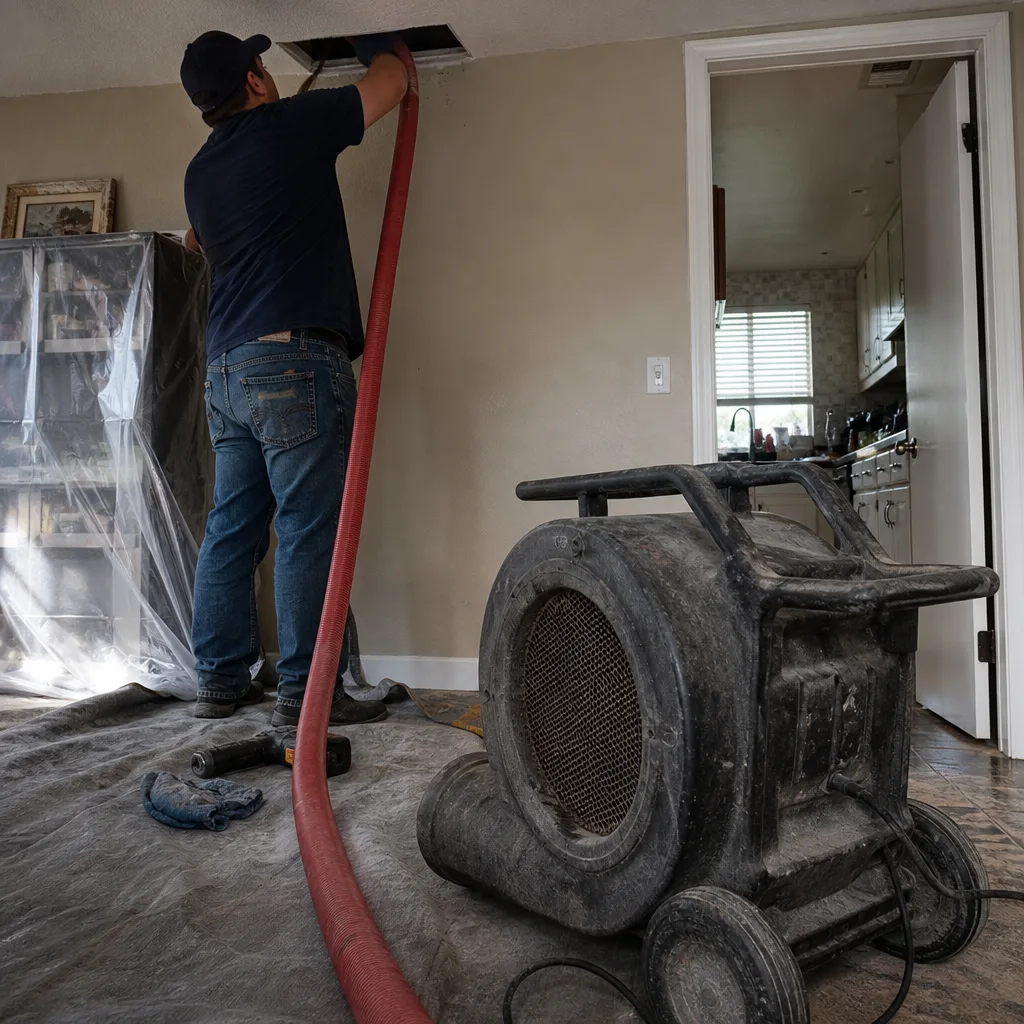 Before
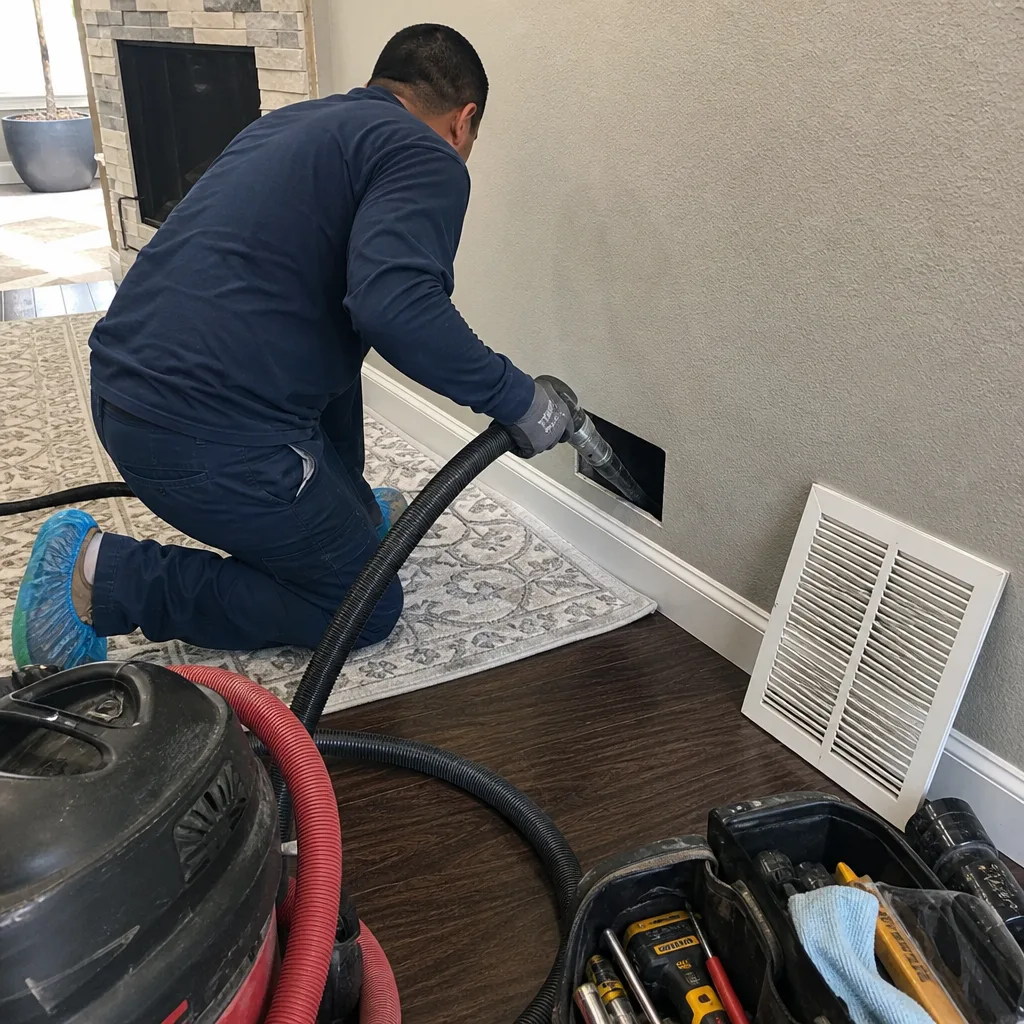 After
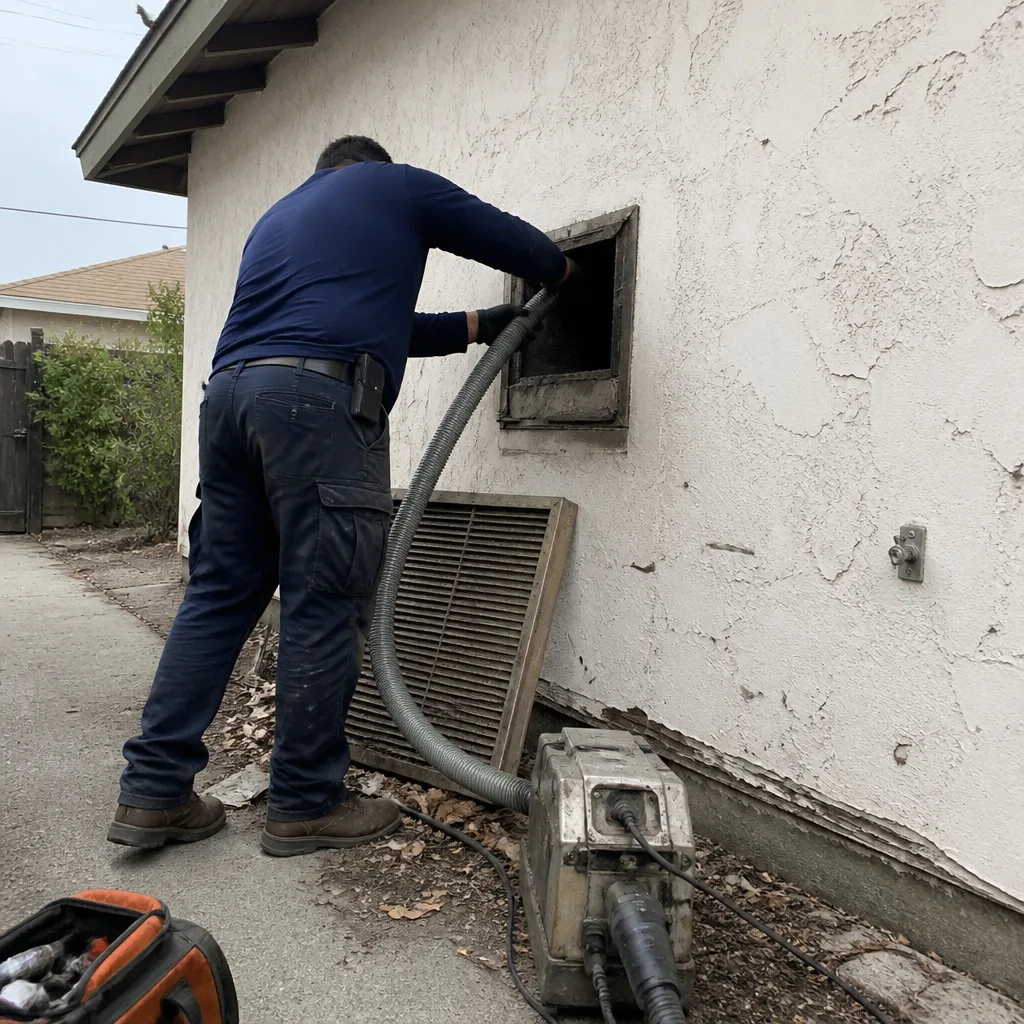 Before
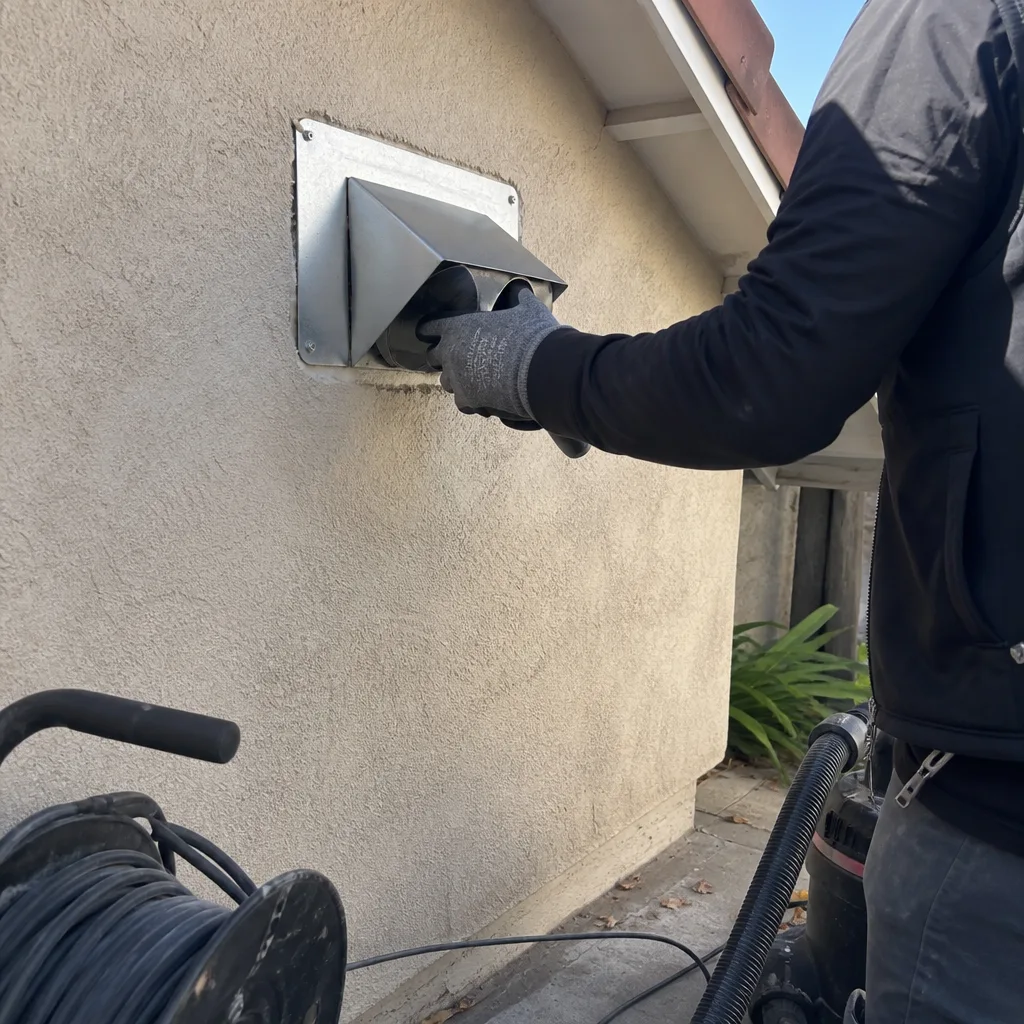 After
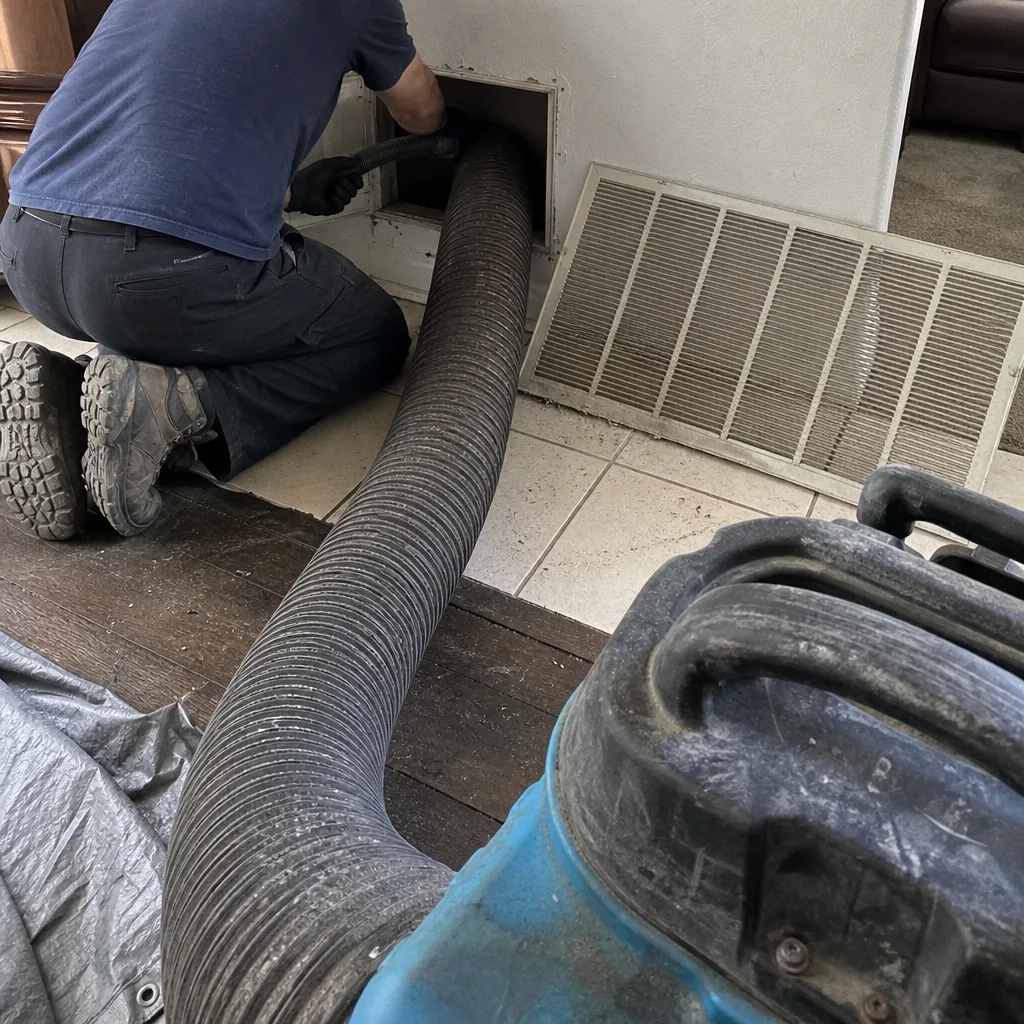 Before
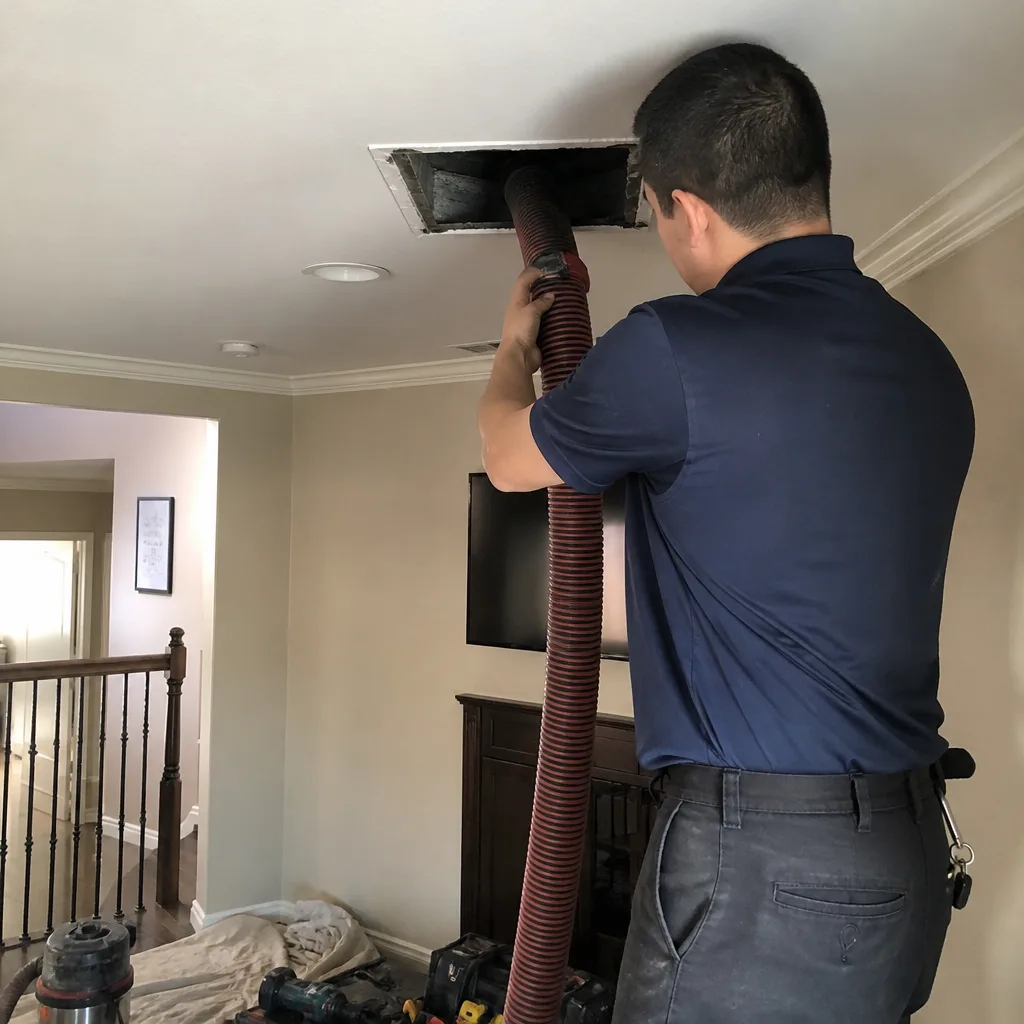 After
When to Call a Professional
Duct cleaning is not a DIY job. The equipment required to do it properly, a HEPA-filtered vacuum capable of maintaining negative pressure across a whole system, plus agitation tools matched to your duct material, costs more than a professional cleaning and requires training to use safely. If you’re seeing dust accumulation at your registers shortly after changing filters, if rooms in your Westminster home stay warmer or cooler than others, if you smell something musty when the AC first kicks on, or if you just bought a home and have no idea what’s in the ducts, that’s the time to call. Duct Cleaning Westminster offers free estimates in Westminster, and every estimate starts with the inspection, because that’s the only way to give an honest price. Call (877) 752-8412 or use the contact form on this page to schedule your inspection.
Frequently Asked Questions
Expect to pay $450 to $950 for a full residential system in Westminster, depending on square footage, number of systems, debris load, and whether duct sealing or repair is included. Homes over 2,500 square feet with dual systems and heavy construction dust can run $1,200 or more. Call (877) 752-8412 for a free, inspection-based quote on your specific system.
The only honest way to know is a camera inspection. Visible dust at the registers, a musty smell when the AC runs, rooms that don’t reach temperature, and recent renovation work are all indicators that inspection is warranted. Westminster’s marine layer humidity makes biofilm formation more likely than in drier inland cities, so if you smell anything musty, don’t wait; call (877) 752-8412 and have someone look.
Cheaper quotes usually mean smaller equipment, no negative pressure testing, no camera inspection, and no post-cleaning report. The company is counting on not doing the full job. In Westminster’s competitive market, legitimate operators with commercial-grade Rotobrush and Nikro equipment can’t compete on price with a shop vac and a YouTube tutorial. If the price seems too low, it is.
Ask for a post-cleaning report with three things: CFM readings before and after, debris weight removed, and timestamped camera footage of the ducts before and after. If the company won’t provide all three, you can’t verify the work. A legitimate Westminster duct cleaning company will provide this documentation as standard practice.
When the system has accumulated pet dander, dust mite debris, pollen, or biofilm, cleaning can measurably reduce the allergen load circulating through your home. The effect is most noticeable in Westminster homes where the system has not been cleaned for years and in homes with central returns that pull allergen-laden air through a single point. Cleaning alone won’t solve allergies; filtration matters too, which is why system inspection should evaluate filter quality and fit, call (877) 752-8412 to discuss what your system needs.
There’s no legal requirement in Westminster or Orange County that mandates duct cleaning before a sale. However, more local real estate inspectors are noting duct condition in their reports, and buyers are increasingly requesting duct cleaning as a condition of sale, especially in older homes with visible register dust or musty smells. If you’re selling, an inspection now can prevent a last-minute concession later.
The Bottom Line
Air duct cleaning in Westminster is an engineering task, not a maintenance checkbox. The marine layer’s nightly humidity and the inland summer heat combine to create debris conditions that differ from drier Southern California cities, which means fixed cleaning schedules are less useful than inspection-based decisions. A legitimate cleaning starts with a camera inspection, includes negative pressure testing, uses equipment matched to the duct material, and ends with a documented report showing CFM improvement, debris weight, and visual proof. Duct leakage above 15 percent means cleaning alone is a partial fix, which is why repair and sealing should be available from the same contractor. If you’re ready to find out what’s actually in your ducts, call (877) 752-8412 for a free estimate. We’ll show you the inside of your system before we touch it.
Written by the team at Duct Cleaning Westminster, serving Westminster since 2017. Explore more guides & resources on indoor air quality.